buildtech roofing solutions

Buildtech Roofing Solutions offers top-quality roofing supplies and professional roofing services for all types of properties. Trusted by customers of all ages, we provide durable and affordable roofing solutions tailored to your needs.
Suppliers & Appliers of Profile Coated Sheet – Pre-Painted Profile Sheets, Color Cladding Sheets, Colour Profile Sheets, and Color Coated Profile Sheet used on Industrial & residency roofing & cladding sheet providers in Maharashtra, India.

Ridge Ventilator System in Pune

Ridge Ventilator System in Pune – Complete Guide for Industrial Ventilation Solutions

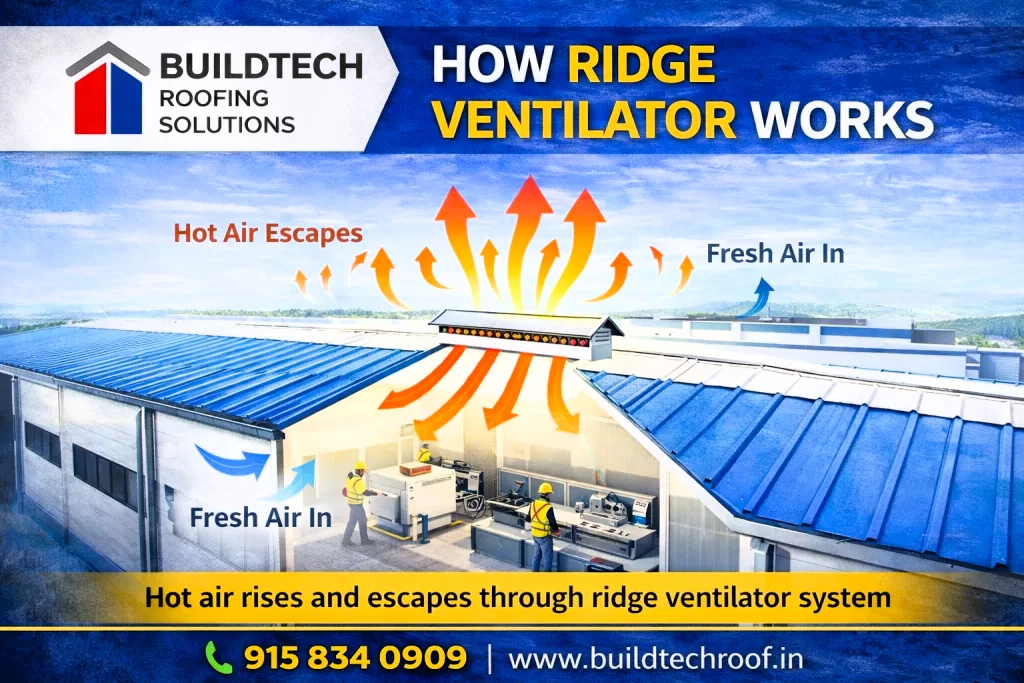
Introduction Industrial buildings such as factories, warehouses, logistics hubs, and manufacturing units generate a significant amount of internal heat due to machinery, production processes, and limited airflow. In cities like Pune, where temperatures can rise considerably during summer, this heat buildup becomes a major challenge. Poor ventilation leads to: This is where the Ridge Ventilator System Pune solutions by Buildtech Roofing Solutions provide an efficient and cost-effective solution. Ridge ventilators are natural ventilation systems installed at the highest point of industrial roofs. They allow hot air to escape, improving airflow and maintaining a balanced indoor environment without using electricity. This comprehensive guide explains everything about ridge ventilators, including working principles, types, benefits, installation process, and industrial applications. What is a Ridge Ventilator System? A ridge ventilator is a roof-mounted ventilation system installed along the ridge line of a building. Its primary function is to: It works on the principle of natural convection, where hot air rises and escapes through the roof opening. How Ridge Ventilators Work Ridge ventilators operate based on natural airflow dynamics: Step-by-step working: This creates a continuous airflow cycle. Importance of Industrial Ventilation Proper ventilation is essential for industrial buildings. 1. Temperature Control Excess heat is removed, maintaining a comfortable environment. 2. Worker Safety & Comfort Improved airflow reduces heat stress and enhances productivity. 3. Energy Savings Natural ventilation reduces dependence on fans and AC systems. 4. Moisture Control Prevents condensation and corrosion. 5. Equipment Protection Maintains optimal temperature for machinery. Types of Ridge Ventilator Systems 1. Turbo Ridge Ventilators These ventilators use wind energy to rotate and enhance airflow. Features: 2. Static Ridge Ventilators Fixed ventilators with no moving parts. Advantages: 3. Monitor Roof Ventilators Raised structures along the ridge for maximum airflow. Best For: Key Features of Ridge Ventilators 1. Natural Ventilation Operates without electricity. 2. Continuous Airflow Provides constant ventilation. 3. Weather Protection Designed to prevent rainwater entry. 4. Durable Construction Made from corrosion-resistant materials. 5. Low Maintenance Minimal servicing required. Benefits of Ridge Ventilator Systems 1. Reduces Indoor Temperature Helps maintain cooler working conditions. 2. Improves Air Quality Removes stale air and pollutants. 3. Enhances Productivity Comfortable workers perform better. 4. Reduces Energy Costs Less dependency on electrical ventilation. 5. Prevents Moisture Damage Avoids condensation-related issues. 6. Eco-Friendly Solution Supports sustainable building practices. Applications of Ridge Ventilators Ridge ventilators are widely used in: Ridge Ventilator vs Exhaust Fans Feature Ridge Ventilator Exhaust Fan Power Requirement No Yes Maintenance Low High Cost One-time Recurring Airflow Continuous Limited Noise Silent Noisy Step-by-Step Installation Process Step-1 – Site Inspection Evaluate roof structure and ventilation requirements. Step-2 – Design Planning Determine ventilator size, placement, and quantity. Step-3 – Ridge Opening Creation Create an opening along the roof ridge. Step-4 – Ventilator Installation Install the ventilator structure securely. Step-5 – Sealing & Waterproofing Ensure no water leakage. Step-6 – Final Inspection Check airflow efficiency and installation quality. Factors to Consider Before Installation Maintenance Tips Cost of Ridge Ventilator System in Pune Cost depends on: 💡 Tip: Ridge ventilators provide long-term savings by reducing energy costs. Why Choose Buildtech Roofing Solutions Pune Buildtech Roofing Solutions is a leading provider of industrial ventilation systems. Key Advantages: ✔ High-quality ventilators✔ Expert installation team✔ Customised industrial solutions✔ Competitive pricing✔ Fast project execution Industries Served Future of Industrial Ventilation With increasing focus on: Ridge ventilators are becoming essential in modern industrial infrastructure. Conclusion Ridge ventilator systems provide an efficient, cost-effective, and eco-friendly solution for industrial ventilation. With Ridge Ventilator System Pune solutions by Buildtech Roofing Solutions, businesses can achieve better airflow, reduced heat, and improved working conditions.

Ridge Ventilator System in Pune – Complete Guide for Industrial Ventilation Solutions Read More »
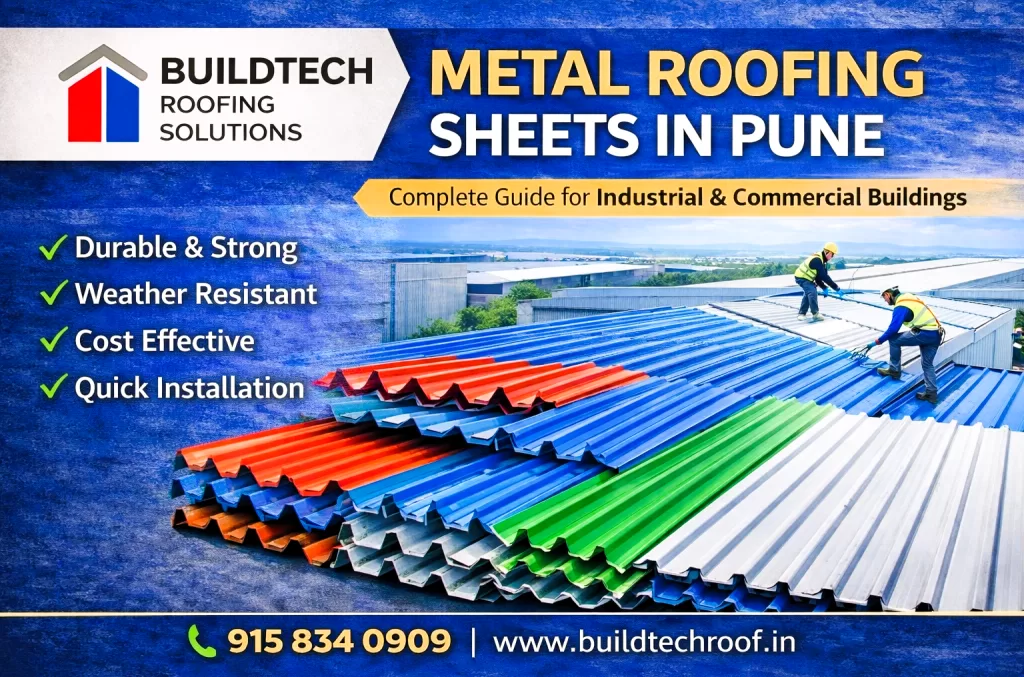
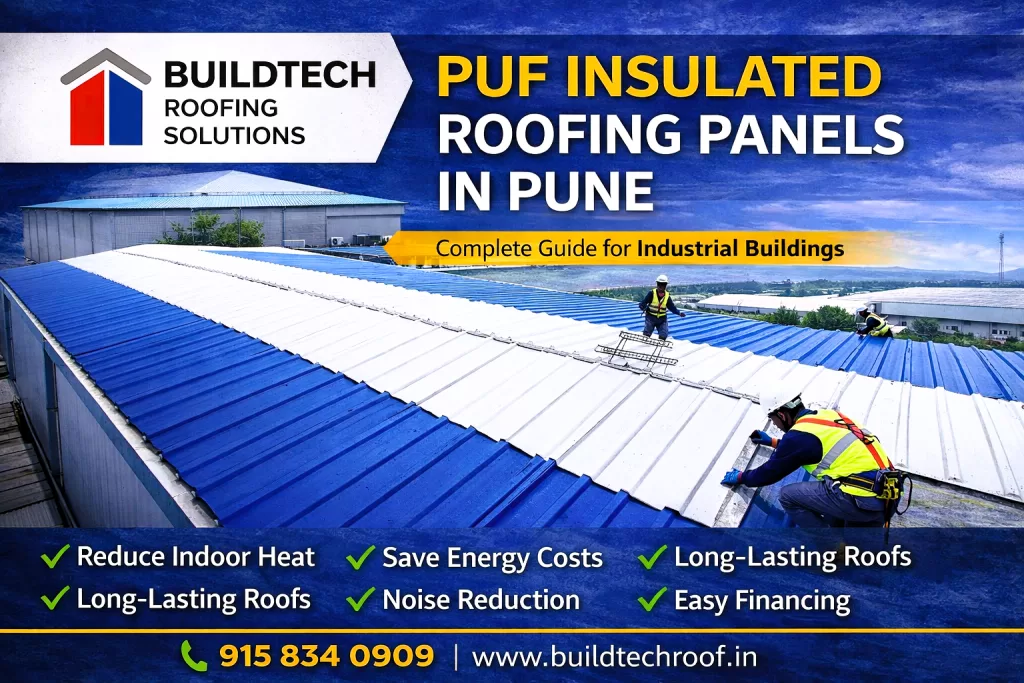
Metal Roofing Sheets in Pune

Metal Roofing Sheets in Pune – Complete Guide for Industrial & Commercial Buildings

Introduction Industrial and commercial buildings require roofing systems that can withstand harsh environmental conditions, provide structural stability, and ensure long-term performance. In cities like Pune, where buildings face intense sunlight, heavy monsoon rains, and fluctuating temperatures, selecting the right roofing material becomes critical. Metal roofing sheets have emerged as one of the most reliable and widely used solutions for industrial and commercial roofing. Known for their durability, cost-effectiveness, and ease of installation, these sheets are ideal for factories, warehouses, logistics parks, and industrial sheds. This is where Metal Roofing Sheets Pune solutions by Buildtech Roofing Solutions provide high-quality materials and professional installation services tailored to industrial requirements. This comprehensive guide covers everything you need to know about metal roofing sheets, including types, features, benefits, applications, installation process, and expert selection tips. What Are Metal Roofing Sheets? Metal roofing sheets are thin sheets made from steel, aluminium, or alloy-coated metals, designed to provide strong, weather-resistant roofing systems. These sheets are manufactured with protective coatings such as: These coatings enhance durability, corrosion resistance, and aesthetic appeal. Types of Metal Roofing Sheets 1. Colour-Coated Roofing Sheets These are pre-painted metal sheets available in various colours and finishes. Features: Best For: 2. Galvanised Iron (GI) Sheets GI sheets are coated with zinc to prevent rusting. Advantages: Applications: 3. Galvalume Roofing Sheets Galvalume sheets are coated with aluminium, zinc, and silicon. Benefits: 4. Corrugated Roofing Sheets These sheets have a wave-like pattern for added strength. Features: 5. Standing Seam Roofing Sheets A premium roofing system with concealed fasteners. Advantages: Key Features of Metal Roofing Sheets 1. High Strength & Durability Metal sheets are designed to withstand: 2. Weather Resistance Protective coatings prevent corrosion and damage from UV rays. 3. Lightweight Structure Metal sheets reduce structural load, making them ideal for large-span buildings. 4. Long Lifespan With proper maintenance, metal roofs can last 20–30 years. 5. Fire Resistance Metal roofing provides better fire safety compared to traditional materials. 6. Eco-Friendly Metal sheets are recyclable and sustainable. Benefits of Metal Roofing Sheets 1. Cost-Effective Solution Lower installation and maintenance costs make metal roofing economical. 2. Quick Installation Prefabricated sheets allow faster project completion. 3. Low Maintenance Minimal upkeep is required compared to traditional roofing. 4. Versatility Suitable for multiple industrial and commercial applications. 5. Energy Efficiency Reflective coatings reduce heat absorption. Applications of Metal Roofing Sheets Metal roofing sheets are widely used in: Metal Roofing Sheets vs Traditional Roofing Feature Metal Roofing Traditional Roofing Durability High Medium Installation Fast Slow Maintenance Low High Cost Moderate High Lifespan 20–30 Years 10–15 Years Step-by-Step Installation Process Step-1 – Site Inspection Evaluate building structure and requirements. Step-2 – Structural Preparation Ensure purlins and support systems are properly aligned. Step-3 – Sheet Installation Position sheets accurately for proper alignment. Step-4 – Fastening Secure sheets using high-quality fasteners. Step-5 – Sealing & Waterproofing Seal joints and overlaps to prevent leakage. Step-6 – Final Inspection Check alignment, fastening, and leak-proofing. How to Choose the Right Metal Roofing Sheet 1. Thickness Choose an appropriate thickness (0.3mm to 0.6mm) based on the application. 2. Coating Type 3. Climate Conditions Select sheets based on exposure to heat, rain, and corrosion. 4. Budget Balance between initial cost and long-term performance. 5. Application Type Different structures require different sheet profiles. Maintenance Tips for Metal Roofing Cost of Metal Roofing Sheets in Pune The cost depends on: 💡 Tip: Investing in higher-quality sheets reduces long-term maintenance costs. Why Choose Buildtech Roofing Solutions Pune Buildtech Roofing Solutions is a trusted name in industrial roofing. Key Advantages: ✔ Premium quality roofing sheets✔ Expert installation team✔ Customised industrial solutions✔ Competitive pricing✔ Fast project execution Industries Served Service Areas | Pune | Mumbai | Nashik | Kolhapur | Sangli | Satara | Future of Metal Roofing Metal roofing continues to evolve with: It remains one of the most reliable solutions for industrial roofing. Conclusion Metal roofing sheets offer a perfect combination of durability, affordability, and performance. With Metal Roofing Sheets Pune solutions by Buildtech Roofing Solutions, businesses can ensure strong, long-lasting, and efficient roofing systems.

Metal Roofing Sheets in Pune – Complete Guide for Industrial & Commercial Buildings Read More »

PUF-insulated-roofing-panels-in-Pune

PUF Insulated Roofing Panels in Pune – Complete Guide for Industrial Buildings

Introduction Industrial and commercial buildings in Pune operate under challenging environmental conditions. With temperatures rising significantly during summer and heavy rainfall during monsoon, roofing systems must perform efficiently to ensure operational continuity. Traditional roofing systems, such as single metal sheets, often fail to provide adequate insulation. As a result, buildings experience excessive heat, higher energy consumption, and uncomfortable working conditions. This is where PUF Insulated Roofing Panels Pune solutions by Buildtech Roofing Solutions provide a modern and efficient alternative. PUF (Polyurethane Foam) insulated panels are engineered roofing systems designed to deliver superior thermal insulation, structural strength, and long-term durability. These panels are widely used across industries such as manufacturing, warehousing, pharmaceuticals, food processing, and logistics. This comprehensive guide will help you understand everything about PUF roofing panels, including features, benefits, types, applications, installation process, and why they are the preferred choice for industrial roofing. What Are PUF Insulated Roofing Panels? PUF insulated panels are sandwich panels consisting of three layers: The core material acts as a thermal barrier, preventing heat transfer between external and internal environments. These panels are manufactured under controlled conditions to ensure uniform density, strength, and insulation performance. How PUF Panels Work PUF panels reduce heat transfer through a process called thermal resistance. This results in: Key Features of PUF Insulated Roofing Panels 1. High Thermal Insulation PUF panels provide excellent insulation, making them ideal for hot climates like Pune. 2. Lightweight Construction Compared to traditional materials, PUF panels are lightweight, reducing structural load. 3. High Strength & Durability These panels are resistant to: 4. Moisture Resistance PUF panels prevent condensation and water leakage. 5. Energy Efficiency Reduced heat transfer leads to lower electricity consumption. 6. Easy & Fast Installation Prefabricated panels allow quick installation. Benefits of PUF Roofing Panels 1. Significant Temperature Reduction PUF panels can reduce indoor temperature by 5°C to 10°C, improving working conditions. 2. Lower Energy Costs Reduced cooling requirements result in lower electricity bills. 3. Improved Productivity Comfortable working conditions enhance workforce efficiency. 4. Long Lifespan PUF roofing systems last longer than traditional roofing. 5. Noise Reduction The foam core reduces external noise. 6. Environment-Friendly Energy-efficient systems contribute to sustainability. Types of PUF Insulated Panels 1. Roof Panels Designed specifically for roofing applications with weather-resistant coatings. 2. Wall Panels Used for vertical cladding in industrial buildings. 3. Single Skin Panels Basic insulation applications. 4. Double Skin Panels Maximum insulation and durability. 5. Cold Storage Panels Specialised panels for temperature-controlled environments. PUF Panels vs Traditional Roofing Feature PUF Panels Metal Roofing Insulation High Low Energy Efficiency High Low Comfort High Low Cost Higher initial Lower initial Long-Term Savings High Low Applications of PUF Roofing Panels PUF panels are widely used across industries: Step-by-Step Installation Process Step-1 – Site Inspection Evaluate structure and requirements. Step-2 – Structural Preparation Ensure purlins and framework are ready. Step-3 – Panel Placement Install panels with proper alignment. Step-4 – Fastening Secure panels using specialised fasteners. Step-5 – Joint Sealing Seal joints to prevent leakage. Step-6 – Finishing Ensure proper waterproofing and alignment. Maintenance of PUF Roofing Panels Cost of PUF Roofing Panels in Pune The cost depends on: 💡 Tip: Though the initial cost is higher, long-term savings are significant. Why Choose Buildtech Roofing Solutions Pune Buildtech Roofing Solutions is a trusted provider of industrial roofing systems. Key Advantages: ✔ High-quality PUF panels✔ Expert installation✔ Customised solutions✔ Affordable pricing✔ Fast project delivery Service Areas | Pune | Mumbai | Nashik | Kolhapur | Sangli | Satara | Ahmednagar | Future of Industrial Roofing PUF panels represent the future of industrial roofing due to: As industries move towards eco-friendly infrastructure, PUF roofing systems will become the standard choice. Conclusion PUF insulated roofing panels are a smart investment for modern industrial buildings. With PUF Insulated Roofing Panels Pune solutions by Buildtech Roofing Solutions, businesses can achieve better insulation, energy savings, and long-term durability.

PUF Insulated Roofing Panels in Pune – Complete Guide for Industrial Buildings Read More »

Industrial Roofing Solutions: Complete Guide for Factories & Warehouses in Pune

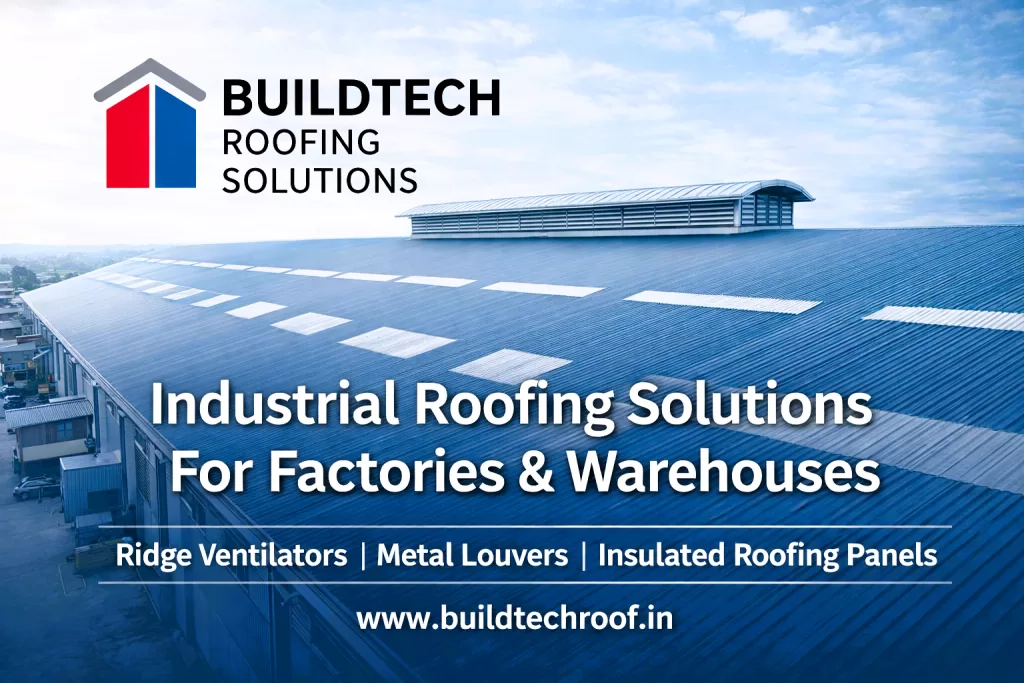
Introduction Industrial buildings such as factories, warehouses, logistics hubs, and manufacturing plants require roofing systems that do more than simply cover the structure. Modern industrial roofing must provide structural strength, efficient ventilation, thermal control, and long-term durability. In rapidly growing industrial regions like Pune, businesses are increasingly adopting advanced roofing systems to improve energy efficiency, workplace comfort, and building performance. This is where Buildtech Roofing Solutions plays a vital role. As a specialised industrial roofing provider, the company offers innovative roofing products such as ridge ventilators, metal louvers, insulated panels, decking sheets, and complete roofing accessories designed for modern industrial infrastructure. This comprehensive guide explains how industrial roofing systems work, their benefits, and why choosing the right roofing solution is critical for long-term operational efficiency. Understanding Industrial Roofing Systems Industrial roofing systems differ significantly from residential or commercial roofing. Industrial facilities often span large areas and require roofing structures capable of handling: Modern industrial roofing integrates ventilation systems, structural sheets, insulation layers, and protective coatings to create a high-performance roofing environment. Key components typically include: These elements work together to improve airflow, temperature control, and overall building performance. Importance of Proper Ventilation in Industrial Buildings One of the most common challenges inside industrial buildings is heat accumulation. Machinery, production equipment, and large enclosed spaces generate significant amounts of heat. Without proper ventilation, the interior temperature of a factory can rise dramatically, leading to: Natural ventilation systems, such as ridge ventilators and louvers allow hot air to escape naturally through the roof, creating continuous airflow throughout the building. This method significantly reduces dependence on mechanical ventilation systems and lowers electricity consumption. Industrial Ridge Ventilators: The Heart of Natural Ventilation Ridge ventilators are one of the most efficient solutions for improving airflow inside large industrial buildings. Installed along the ridge line of the roof, these ventilators allow hot air and fumes to exit the building naturally. How Ridge Ventilators Work Hot air naturally rises upward. Ridge ventilators create an outlet at the highest point of the roof where trapped heat can escape. Fresh air then enters through side openings or louvers, creating a natural circulation cycle. Benefits of Ridge Ventilators Industrial ridge ventilators provide multiple advantages: For factories that operate heavy machinery or manufacturing equipment, ridge ventilators are essential for maintaining a healthy indoor environment. Metal Louvers for Industrial Ventilation Metal louvers are another critical element of modern industrial roofing systems. Installed on building walls or ventilation openings, louvers allow air to flow inside while preventing rainwater and debris from entering the building. Key Functions of Metal Louvers Metal louvers serve several important purposes: High-quality metal louvers are typically manufactured from powder-coated aluminium or galvanised steel, ensuring long-term corrosion resistance. For factories located in industrial environments, durable louvers help maintain reliable ventilation without compromising structural integrity. Decking Sheets for Structural Roofing Decking sheets form the structural base of many industrial roofing systems. These sheets support the roofing structure and act as the foundation for insulation layers and roofing panels. Advantages of Decking Sheets Decking sheets are widely used because they offer: These sheets are particularly useful in multi-story industrial structures and commercial buildings where roofing systems must support heavy loads. Insulated Roofing Panels for Energy Efficiency Insulated roofing panels are becoming increasingly popular in modern industrial construction. These panels consist of two metal sheets with a thermal insulation core between them. Why Insulated Panels Matter Factories often struggle with heat buildup, especially in hot climates. Insulated roofing panels help reduce heat transfer, maintaining cooler interior temperatures. Key benefits include: For warehouses storing temperature-sensitive products, insulated roofing panels are essential for maintaining stable interior conditions. Polycarbonate Sheets for Natural Daylighting Industrial buildings often require adequate daylight to reduce reliance on artificial lighting. Polycarbonate sheets are commonly integrated into roofing systems to allow natural sunlight into the building. Benefits of Polycarbonate Sheets Polycarbonate roofing sheets provide: These sheets are typically installed as skylight panels within metal roofing structures. Roofing Metal Accessories: Small Components with Big Impact While large components like ventilators and panels receive the most attention, roofing accessories are equally important for a complete roofing system. Essential roofing accessories include: These components ensure proper sealing, water drainage, and long-term durability of the roofing structure. Industrial Roofing Installation Process A professionally designed roofing system follows a structured installation process to ensure performance and longevity. Step 1 – Site Assessment Engineers evaluate the building structure, ventilation requirements, and environmental conditions. Step 2 – System Design Based on the assessment, a customised roofing system is designed, including ventilators, louvers, sheets, and insulation materials. Step 3 – Material Selection High-quality materials are selected to ensure durability and weather resistance. Step 4 – Installation Experienced technicians install roofing components according to engineering standards. Step 5 – Inspection and Testing Final inspections ensure the roofing system functions efficiently and meets safety requirements. Industrial Roof Replacement and Retrofitting Many older factories suffer from roofing problems, such as: Roof retrofitting allows businesses to upgrade their roofing systems without completely replacing the building structure. Modern retrofitting solutions include: These upgrades significantly extend the lifespan of industrial buildings. Sustainability in Modern Industrial Roofing Sustainability is becoming a major priority in industrial construction. Advanced roofing systems contribute to environmentally responsible buildings by improving energy efficiency and reducing carbon footprints. Sustainable roofing solutions often include: These technologies help industries lower energy consumption and support green building initiatives. Why Choose Buildtech Roofing Solutions When selecting an industrial roofing contractor, experience and technical expertise are crucial. Buildtech Roofing Solutions provides complete roofing systems designed for long-term performance and efficiency. Key strengths include: The company works closely with architects, contractors, and facility managers to deliver roofing solutions tailored to each project. Industries That Benefit from Industrial Roofing Systems Industrial roofing solutions are widely used across multiple sectors, including: Each industry requires roofing systems that support ventilation, durability, and energy efficiency. Future Trends in Industrial Roofing The industrial roofing industry continues to evolve with new technologies and materials. Some emerging trends include: These innovations are helping industrial buildings

Industrial Roofing Solutions: Complete Guide for Factories & Warehouses in Pune Read More »

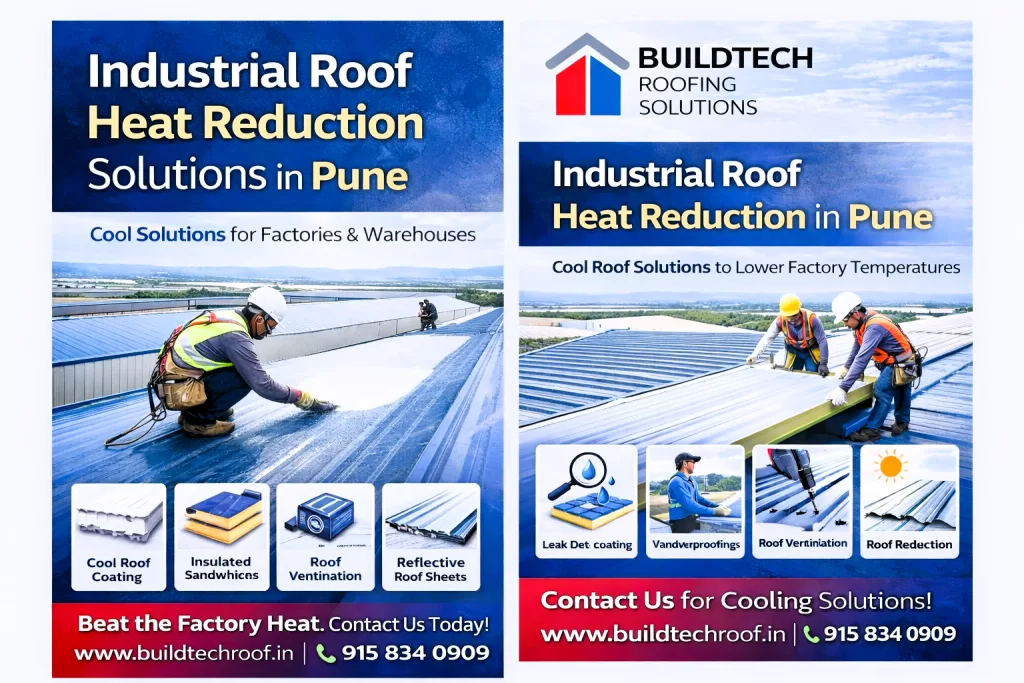
Industrial Roof Heat Reduction Solutions in Pune – Complete Guide for Factories & Warehouses

Introduction Industrial buildings in Pune and across Maharashtra experience extremely high temperatures during summer. Metal roofing sheets absorb significant solar heat, which increases indoor temperatures in factories, warehouses, and production facilities. High roof temperatures lead to: • Worker discomfort• Reduced productivity• Increased electricity consumption• Higher HVAC costs This is why Industrial Roof Heat Reduction Pune solutions by Buildtech Roofing Solutions are becoming essential for modern industrial infrastructure. Using advanced technologies like cool roof coatings, insulation panels, ventilators, and reflective systems, industrial roofs can reduce indoor temperatures significantly while improving energy efficiency. Why Industrial Roof Heat Reduction is Important Industrial roofs made from metal sheets can reach temperatures above 70°C under direct sunlight. Without proper heat control, buildings experience several problems. 1. Worker Productivity Decline High indoor temperatures create uncomfortable working environments. Heat stress can lead to: • Worker fatigue• Lower efficiency• Increased health risks Heat reduction systems create better working conditions. 2. Increased Electricity Costs Factories often rely on cooling systems such as: • Air conditioning• Exhaust systems• Industrial fans When roof heat increases, energy consumption rises. Heat reduction solutions help reduce cooling costs. 3. Equipment Damage Extreme heat affects sensitive machinery and electronics. Problems may include: • Overheating equipment• Reduced machine lifespan• Production interruptions Cool roofing systems protect valuable equipment. Major Causes of Roof Heat in Industrial Buildings Understanding heat sources helps implement the right solution. 1. Metal Roofing Heat Absorption Metal sheets absorb solar radiation quickly. Dark roofing colours increase heat absorption. 2. Lack of Roof Insulation Buildings without insulation transfer heat directly indoors. 3. Poor Ventilation Without proper airflow, hot air gets trapped inside industrial sheds. 4. Large Roof Surface Area Industrial buildings have massive roof areas exposed to sunlight. Best Industrial Roof Heat Reduction Solutions Buildtech Roofing Solutions offers multiple systems to reduce roof temperature. 1. Cool Roof Reflective Coating Cool roof coatings reflect solar radiation instead of absorbing it. Benefits • Reduces roof temperature• Reflects sunlight• Improves energy efficiency• Extends roof life Indoor temperature reduction: 5°C to 10°C 2. PUF Insulated Roofing Panels PUF sandwich panels provide excellent thermal insulation. Advantages • High thermal resistance• Energy efficiency• Moisture protection• Noise reduction These panels are ideal for warehouses and manufacturing plants. 3. Roof Ventilation Systems Proper ventilation removes trapped hot air. Common systems include: • Ridge ventilators• Turbo ventilators• Air exhaust systems These solutions improve airflow inside factories. 4. Double Skin Roofing System A double-layer roof creates an air gap that reduces heat transfer. Benefits include: • Lower roof temperature• Reduced heat penetration• Better insulation 5. Reflective Roof Sheets Special reflective coatings on metal sheets reduce solar heat absorption. Step-by-Step Industrial Roof Heat Reduction Process Professional heat reduction projects follow a systematic process. Step 1 – Roof Inspection Experts analyse roof condition and heat levels. Step 2 – Heat Source Identification Identify areas where heat absorption is highest. Step 3 – Solution Planning Select the best cooling system based on building design. Step 4 – Professional Installation Install coatings, insulation panels, or ventilators. Step 5 – Performance Testing Measure the temperature difference after installation. Benefits of Industrial Roof Cooling Systems Businesses that implement heat reduction solutions experience significant advantages. Improved worker comfort Reduced electricity bills Increased equipment life Better productivity Longer roof lifespan Why Choose Buildtech Roofing Solutions Pune Buildtech Roofing Solutions specialises in industrial roofing and heat reduction systems. Key advantages ✔ Experienced roofing professionals✔ Advanced heat reduction technology✔ High-quality materials✔ Safe installation practices✔ Cost-effective industrial solutions Buildtech delivers reliable roofing systems for factories and warehouses. Industries That Need Roof Heat Reduction • Manufacturing plants• Warehouses• Automotive factories• Textile industries• Pharmaceutical companies• Food processing plants• Logistics parks Service Areas Buildtech Roofing Solutions serves industrial clients across: PuneMumbaiNashikKolhapurSangliSataraAhmednagarMaharashtra Industrial Regions Conclusion Industrial roof heat can severely impact worker productivity, equipment efficiency, and operational costs. By implementing Industrial Roof Heat Reduction Pune solutions, factories can maintain comfortable indoor environments while reducing energy consumption. Buildtech Roofing Solutions provides advanced cool roof systems, insulation panels, ventilation systems, and heat reflective coatings designed for industrial buildings.

Industrial Roof Heat Reduction Solutions in Pune – Complete Guide for Factories & Warehouses Read More »

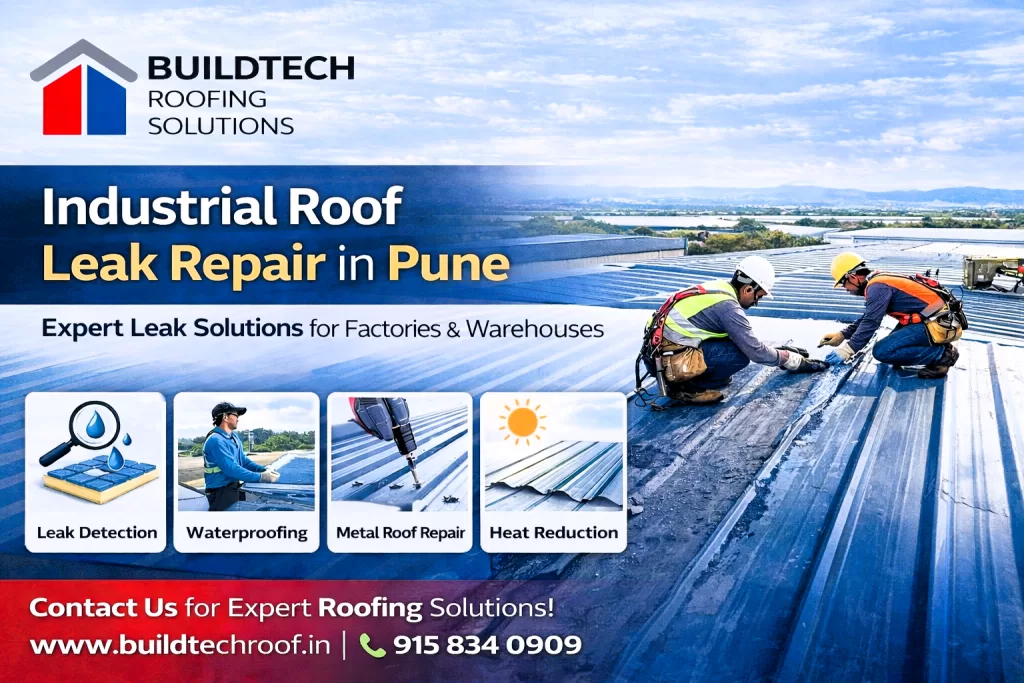
Industrial Roof Leak Repair in Pune – Complete Guide for Factories & Warehouses

Introduction Industrial buildings such as factories, warehouses, logistics parks, and manufacturing units depend heavily on strong and leak-free roofing systems. When roof leakage occurs, it can disrupt production, damage machinery, destroy inventory, and increase maintenance costs. This is where Industrial Roof Leak Repair Pune services by Buildtech Roofing Solutions become essential. With advanced leak detection techniques, high-performance waterproofing systems, and professional repair methods, Buildtech helps businesses protect their infrastructure and maintain operational efficiency. This comprehensive guide explains the causes of industrial roof leaks, inspection methods, repair techniques, and long-term prevention strategies used by professional roofing experts. Common Causes of Industrial Roof Leakage Industrial roofing systems are exposed to extreme weather conditions, including intense heat, heavy monsoon rainfall, wind pressure, and dust accumulation. Over time, these conditions lead to roof deterioration. 1. Damaged Roofing Sheets Metal roofing sheets can develop corrosion, cracks, or holes due to ageing and environmental exposure. Common reasons Even small holes can allow water to penetrate and cause major leakage problems. 2. Loose Fasteners and Screws Fasteners hold metal roofing sheets in place. However, over time, they may loosen due to: Loose fasteners create small gaps that allow rainwater to enter the building. 3. Improper Roof Installation Poor installation practices often lead to premature roof leakage. Examples include: Professional installation ensures long-lasting roofing performance. 4. Blocked Drainage Systems Industrial roofs typically have gutters and downpipes for rainwater drainage. When debris accumulates, water stagnates and eventually seeps into the roof structure. Common causes include: 5. Ageing Waterproofing Layers Waterproofing membranes degrade over time due to UV exposure and temperature fluctuations. Signs of deterioration include: Replacing or recoating waterproof layers prevents further leakage. Signs Your Industrial Roof Needs Repair Recognising early warning signs helps prevent costly damage. Visible signs of roof leakage • Water stains on the ceiling• Dripping water during rain• Rust patches on metal sheets• Mould or damp smell• Peeling roof coatings• Structural corrosion Immediate inspection is recommended when these signs appear. Professional Industrial Roof Leak Inspection Before repairing a roof, experts perform a thorough inspection to identify the root cause. Inspection Methods Used Visual Inspection Technicians inspect roofing sheets, joints, fasteners, and gutters. Water Testing Controlled water flow helps locate leak points. Thermal Inspection Advanced thermal cameras detect hidden moisture. Structural Evaluation Engineers check roof alignment and structural integrity. Proper diagnosis ensures effective repairs. Industrial Roof Leak Repair Methods Professional roofing companies use multiple repair techniques depending on the damage level. 1. Fastener Replacement Loose or damaged screws are replaced with new high-strength fasteners. Benefits: 2. Joint Sealing Roof joints are sealed using high-quality sealants. Advantages: 3. Waterproof Membrane Application Liquid waterproofing membranes create a seamless protective layer. Benefits include: 4. Metal Sheet Replacement When roofing sheets are severely damaged, partial replacement becomes necessary. This ensures: 5. Reflective Roof Coatings Reflective coatings reduce heat absorption while sealing minor cracks. Advantages include: Step-by-Step Industrial Roof Repair Process Professional roofing companies follow a systematic process. Step 1 – Roof Inspection Complete structural and leak detection survey. Step 2 – Problem Diagnosis Identify the root cause of leakage. Step 3 – Repair Planning Select appropriate repair methods. Step 4 – Professional Repair Work Technicians carry out repairs using safety equipment. Step 5 – Waterproof Testing Water testing confirms leak elimination. Step 6 – Final Quality Check Inspection ensures long-lasting performance. Preventive Roof Maintenance Tips Preventive maintenance significantly extends roof life. Recommended practices include: • Annual roof inspection• Pre-monsoon maintenance• Fastener tightening• Cleaning drainage systems• Recoating reflective surfaces Preventive care helps avoid costly emergency repairs. Why Choose Buildtech Roofing Solutions Pune Buildtech Roofing Solutions is a trusted provider of industrial roofing services across Maharashtra. Key advantages ✔ Experienced roofing specialists✔ Advanced leak detection technology✔ High-quality waterproofing systems✔ Safety-compliant installation methods✔ Cost-effective solutions✔ Fast project completion Buildtech focuses on delivering reliable roofing solutions for factories and warehouses. Industries Served Buildtech roofing services support multiple industries. • Manufacturing plants• Warehouses• Logistics hubs• Automotive facilities• Pharmaceutical units• Food processing plants• Textile industries Service Areas Industrial roof leak repair services are available in: PuneMumbaiNashikKolhapurSataraSangliAhmednagarAcross Maharashtra Conclusion Roof leakage can severely affect industrial productivity and infrastructure safety. Early detection and professional repair are essential to prevent long-term damage. Industrial Roof Leak Repair Pune services by Buildtech Roofing Solutions provide reliable leak detection, waterproofing, and structural repair solutions designed for Indian industrial conditions. Businesses that invest in proper roofing maintenance enjoy better building protection, lower maintenance costs, and improved operational efficiency.

Industrial Roof Leak Repair in Pune – Complete Guide for Factories & Warehouses Read More »

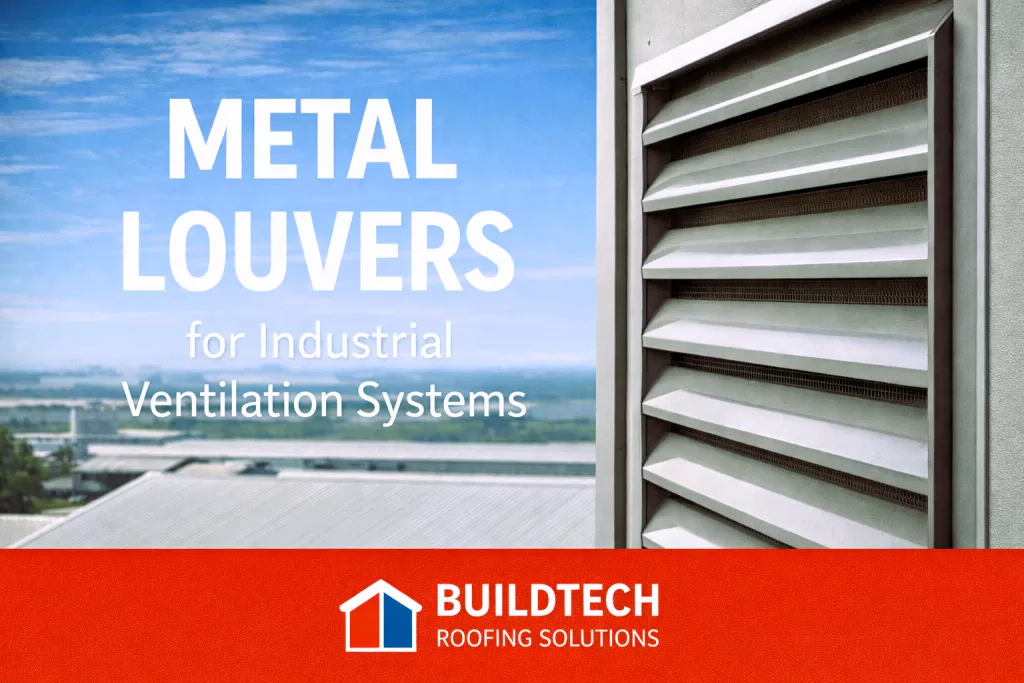
Metal Louvers for Industrial Ventilation: Efficient Airflow Solutions for Modern Buildings

Introduction Industrial buildings require efficient ventilation systems to maintain comfortable indoor conditions, protect equipment, and ensure worker safety. One of the most effective solutions for controlling airflow while protecting buildings from external elements is the Metal Louver System. At Buildtech Roofing Solutions, we manufacture and supply high-performance industrial metal louvers designed to regulate airflow, prevent dust entry, and improve overall building ventilation. Metal louvers are widely used in: • Factories• Warehouses• Industrial plants• Commercial buildings• Data centers• Mechanical ventilation rooms This comprehensive guide explains how metal louvers work, their benefits, applications, and why they are essential for modern industrial buildings. What Are Metal Louvers? Metal louvers are ventilation panels made from metal blades or fins installed in building walls, roofs, or ventilation openings. They allow controlled airflow into and out of a building while preventing: • Rainwater entry• Dust and debris• Direct sunlight• Birds and insects The angled blades of the louver system are engineered to maximise airflow efficiency while protecting the interior environment. Why Industrial Buildings Need Metal Louvers Industrial facilities generate heat, humidity, and airborne particles during daily operations. Without proper ventilation, this can create unsafe and uncomfortable working environments. Metal louvers help solve these problems by providing controlled natural ventilation. Common problems solved by louvers • Heat buildup inside factories• Poor air circulation• Dust entry from outside• Moisture accumulation• Equipment overheating Installing high-quality metal louvers ensures consistent airflow while protecting the building’s interior. How Metal Louvers Work Metal louvers operate using a simple but highly effective airflow design. Ventilation process This process creates passive ventilation, reducing dependence on mechanical systems. Types of Metal Louvers Used in Industrial Buildings Different types of louvers are designed for specific ventilation needs. 1. Fixed Blade Louvers These are the most common types used in factories and warehouses. Features • Fixed angled blades• Low maintenance• Continuous airflow 2. Adjustable Louvers These louvers allow manual or motorised adjustment of blade angles. Advantages • Adjustable airflow control• Flexible ventilation management 3. Storm-Resistant Louvres Designed for areas with heavy rain or strong winds. Benefits • Prevent water penetration• Maintain airflow in harsh weather 4. Acoustic Louvers Used in buildings where noise reduction is important. These louvers allow ventilation while reducing sound transmission. Key Components of Metal Louvers A well-designed metal louver system includes several important components. Louver Frame Provides structural support and ensures proper installation within the wall opening. Louver Blades Angled metal fins that regulate airflow and block rainwater. Bird Mesh Prevents birds and insects from entering the ventilation system. Drainage Channels Helps remove any water that may enter the louver system. Protective Coating Colour-coated metal improves corrosion resistance and durability. Materials Used for Industrial Metal Louvers At Buildtech Roofing Solutions, louvers are manufactured using high-quality metals to ensure long-term performance. Common materials include Galvanized Steel • Strong and durable• Corrosion resistant Aluminium • Lightweight• Excellent weather resistance Colour-Coated Steel • Long lifespan• Attractive finish These materials ensure that louvers can withstand industrial environments and harsh weather conditions. Advantages of Metal Louvers Metal louvers offer several advantages for industrial buildings. Improved Ventilation Louvers allow continuous airflow, improving indoor air quality. Weather Protection Angled blades prevent rainwater and debris from entering the building. Energy Efficiency By enabling natural ventilation, louvers reduce the need for mechanical cooling systems. Long Service Life High-quality metal construction ensures durability and corrosion resistance. Low Maintenance Metal louvers require minimal maintenance compared to mechanical ventilation systems. Better Worker Comfort Proper airflow helps maintain comfortable indoor temperatures. Applications of Industrial Metal Louvers Metal louvers are used across a wide range of industries. Manufacturing Plants Improve ventilation and remove machine heat. Warehouses Control humidity and temperature. Power Plants Ensure proper airflow around equipment. Commercial Buildings Enhance ventilation and building aesthetics. Data Centers Provide ventilation for cooling systems. Integration with Industrial Roofing Systems Metal louvers are typically installed along with other ventilation systems, such as: • Ridge ventilators• Roof ventilators• Exhaust fans• Insulated roofing panels This integrated approach creates a complete industrial ventilation system. Installation Process of Metal Louvers Professional installation is important to ensure maximum performance and durability. Typical installation steps Proper installation ensures efficient airflow and weather protection. Maintenance Tips for Metal Louvers Metal louvers require minimal maintenance, but regular inspection ensures long-term performance. Recommended maintenance practices • Remove dust buildup from blades• Check bird mesh condition• Inspect fasteners for corrosion• Clean louvers periodically Routine maintenance helps maintain optimal airflow efficiency. Why Choose Buildtech Metal Louvers? Buildtech Roofing Solutions provides custom-engineered industrial louvers designed for high-performance ventilation. Key advantages • Precision-engineered louvers• High-quality metal construction• Weather-resistant coating• Custom sizes available• Professional installation support Our products are widely used in factories, warehouses, and commercial infrastructure projects across Maharashtra and India. Future of Industrial Ventilation Modern industrial architecture is increasingly focused on sustainable and energy-efficient building design. Metal louvers play a key role in: • Passive cooling systems• Green building designs• Energy-efficient factories• Sustainable industrial construction As industries move toward environmentally responsible solutions, natural ventilation systems like louvers will become even more important. Conclusion Metal louvers are an essential component of modern industrial ventilation systems. They provide controlled airflow, protect buildings from weather elements, and improve indoor air quality. By choosing Buildtech Roofing Solutions, businesses gain access to high-quality industrial louvers designed for durability, efficiency, and long-term performance. Whether you are building a new factory, upgrading a warehouse, or improving ventilation systems, metal louvers are a reliable and cost-effective solution.

Metal Louvers for Industrial Ventilation: Efficient Airflow Solutions for Modern Buildings Read More »

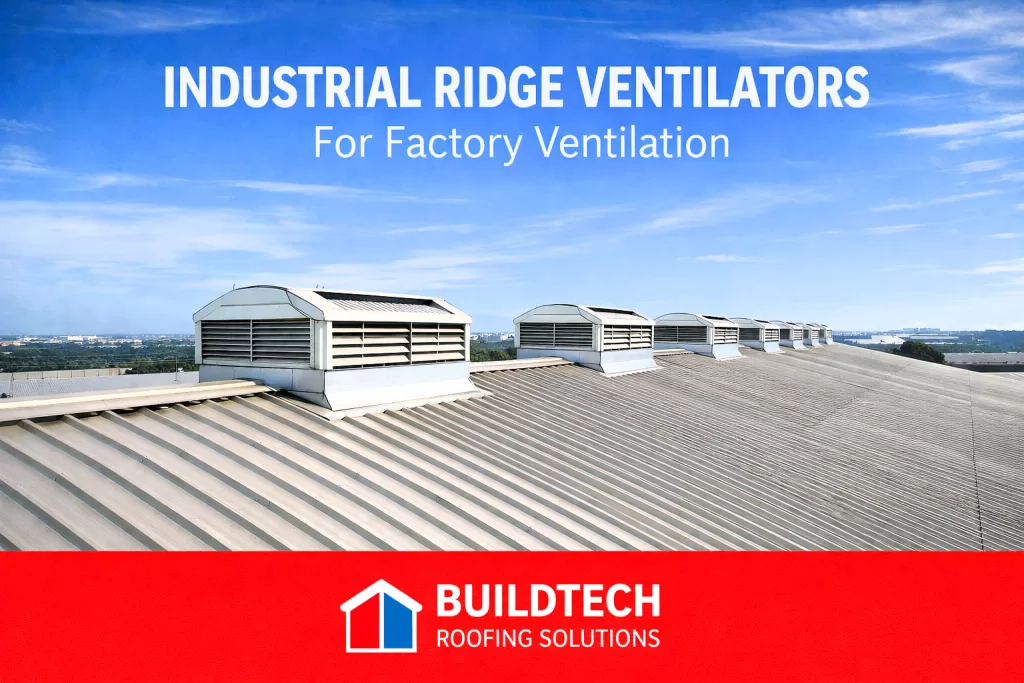
Industrial Ridge Ventilators: Natural Ventilation Solutions for Modern Industrial Buildings

Industrial Ridge Ventilators: The Smart Ventilation System for Modern Buildings Industrial buildings require effective ventilation systems to maintain indoor air quality, control heat, and improve working conditions. One of the most efficient passive ventilation technologies available today is the Industrial Ridge Ventilator. At Buildtech Roofing Solutions, we design and supply high-performance ridge ventilators that provide continuous natural ventilation for factories, warehouses, and large commercial structures. In this comprehensive guide, we will explore: What is an Industrial Ridge Ventilator? An Industrial Ridge Ventilator is a passive ventilation system installed along the ridge line of a roof. Its primary purpose is to remove hot air, fumes, and humidity from the building without using electricity. Unlike mechanical ventilation systems, ridge ventilators rely on natural airflow principles, making them energy-efficient and cost-effective. They are commonly used in: • Manufacturing factories• Warehouses• Logistics hubs• Industrial plants• Commercial buildings• Agricultural storage facilities Why Industrial Buildings Need Proper Roof Ventilation Factories generate large amounts of heat, dust, and industrial fumes. Without proper ventilation, this can lead to serious issues such as: Heat Build-Up Industrial roofs absorb sunlight throughout the day, causing indoor temperatures to rise significantly. Poor Air Quality Machines and production processes often release gases, vapours, and dust. Worker Discomfort Excess heat leads to reduced productivity and unsafe working conditions. Moisture & Condensation Poor ventilation causes condensation, which may damage machinery and roofing structures. Installing industrial ridge ventilators solves all these problems by enabling continuous natural airflow. How Industrial Ridge Ventilators Work Ridge ventilators operate using a natural convection process known as the Stack Effect. Step-by-step airflow process This creates constant natural airflow inside the building. Because the system uses natural air pressure and temperature differences, it requires no electricity. Key Components of a Ridge Ventilator System A well-designed ridge ventilator system includes several engineered components. 1. Ventilator Body The main structure is mounted on the roof ridge. 2. Wind Deflectors Prevents rainwater entry while allowing airflow. 3. Side Louvers Improves airflow efficiency and blocks debris. 4. Bird Mesh Protects the building interior from birds and insects. 5. Flashing System Ensures leak-proof integration with roofing sheets. At Buildtech Roofing Solutions, ridge ventilators are manufactured using high-quality colour-coated steel or aluminium to ensure long service life. Advantages of Industrial Ridge Ventilators 1. 100% Natural Ventilation Ridge ventilators provide continuous air circulation without electricity, making them highly energy efficient. 2. Temperature Reduction Factories using ridge ventilation can reduce indoor temperatures by 3–6°C, depending on building design. 3. Improved Worker Productivity Better airflow creates comfortable working conditions, increasing productivity and reducing fatigue. 4. Moisture Control Proper ventilation prevents condensation that could damage equipment and roofing systems. 5. Environmentally Friendly Because ridge ventilators do not require electricity, they reduce carbon emissions and energy consumption. 6. Low Maintenance With no moving parts, ridge ventilators require minimal maintenance. Technical Specifications of Buildtech Ridge Ventilators Typical specifications include: Feature Specification Material Colour Coated Steel / Aluminium Thickness 0.5 mm – 0.8 mm Vent Width 300 mm – 1000 mm Finish Weather-resistant coating Installation Roof ridge mounted Airflow Continuous passive ventilation Custom designs are available depending on the roof structure and airflow requirements. Applications of Ridge Ventilators Industrial ridge ventilators are widely used across different sectors. Manufacturing Plants Removes machine heat and fumes. Warehouses Controls humidity and temperature. Steel Plants Ventilates smoke and hot air. Food Processing Units Maintains hygienic airflow conditions. Textile Industries Removes humidity generated during production. Integration with Modern Roofing Systems Ridge ventilators are typically installed along with: • Colour-coated roofing sheets• Deck sheets• Insulated roofing panels• Industrial louvers• Metal flashing systems This creates a complete roofing ventilation ecosystem. Installation Guidelines Proper installation is essential for achieving maximum ventilation performance. Important installation steps Professional installation ensures long-term durability and performance. Why Choose Buildtech Ridge Ventilators? Buildtech Roofing Solutions is one of the trusted suppliers of industrial roofing products in Maharashtra. Key advantages of Buildtech roofing solutions • High-quality materials• Precision fabrication• Custom sizes available• Leak-proof installation• Competitive pricing• Experienced technical support We serve factories, warehouses, infrastructure projects, and industrial contractors across India. Future of Industrial Ventilation Systems With increasing focus on energy efficiency and sustainable construction, natural ventilation systems like ridge ventilators are becoming essential components of modern building design. Architects and engineers are now integrating ridge ventilators with: • Green building concepts• Passive cooling systems• Sustainable architecture• Energy-efficient factory design This trend makes ridge ventilators a key technology for the future of industrial infrastructure. Conclusion Industrial ridge ventilators provide a simple, energy-efficient, and reliable solution for factory ventilation. They improve air quality, reduce heat, and enhance working conditions — all without consuming electricity. By choosing Buildtech Roofing Solutions, businesses can ensure high-quality roofing ventilation systems designed for long-term performance. If you are planning a factory roofing project or ventilation upgrade, ridge ventilators are one of the smartest investments you can make.

Industrial Ridge Ventilators: Natural Ventilation Solutions for Modern Industrial Buildings Read More »

Buildtech Roofing Solutions Pune: Industrial & Commercial Roofing Products and Services Guide

Buildtech Roofing Solutions in Pune. Introduction Industrial and commercial facilities require roofing systems that withstand heat, heavy rainfall, wind uplift, corrosion, and long operational hours. Buildtech Roofing Solutions Pune provides engineered roofing products and professional services designed for factories, warehouses, logistics parks, manufacturing plants, and commercial buildings across Maharashtra. From advanced metal roofing systems to lifecycle maintenance programs, Buildtech delivers durable, energy‑efficient, and cost‑effective roofing solutions aligned with modern construction standards. This step‑by‑step guide explains Buildtech’s roofing products first, followed by complete service capabilities, execution methodology, industry applications, and maintenance support. PART 1 — ROOFING PRODUCTS 1. Pre‑Engineered Metal Roofing Sheets High‑strength profiled metal sheets designed for long spans, structural stability, and rapid installation. Key Features Best For 2. Standing Seam Roofing Systems Mechanically seamed panels that eliminate exposed fasteners and enhance waterproof performance. Key Features Best For 3. Insulated Sandwich Panels (PUF / Rockwool) Factory‑bonded panels combining metal skins with thermal insulating cores. Key Features Best For 4. Decking Sheets Structural steel deck profiles are used as permanent formwork and roofing substrate. Key Features Best For 5. Polycarbonate Skylight Sheets Daylighting solutions that reduce daytime electricity consumption. Key Features Best For 6. Ridge Ventilators & Turbo Ventilators Natural ventilation systems that improve airflow and indoor air quality. Key Features Best For 7. Metal Louvers Ventilation components that enable airflow while blocking rain ingress. Key Features 8. Structural Components — C Purlin & Z Purlin Cold‑formed structural members supporting roofing sheets. Key Features 9. Waterproofing & Protective Coating Systems Liquid‑applied membranes and elastomeric coatings forming seamless barriers. Key Features 10. Heat Reflective Roof Coatings Solar reflective systems that reduce indoor temperature and cooling load. Key Features PART 2 — ROOFING SERVICES 1. Industrial Roof Installation Complete turnkey roofing system installation for new industrial and commercial projects. Scope 2. Industrial Roof Leak Repair Scientific leak detection and permanent repair solutions. Process 3. Industrial Roof Replacement Safe dismantling of deteriorated roofs and upgrade to modern systems. Includes 4. Roof Waterproofing Services Advanced waterproofing for metal and concrete roofs. Systems Used 5. Roof Heat Reduction Treatment Thermal management systems improve indoor comfort. Benefits 6. Structural Roof Retrofit & Strengthening Upgrading ageing structures without full reconstruction. Solutions 7. Preventive Roof Maintenance Programs Scheduled inspections preventing costly failures. Coverage 8. Emergency Roofing Services Rapid response for storm damage and critical leaks. Step‑by‑Step Project Execution Step 1 — Site Inspection Comprehensive roof and structure assessment. Step 2 — Technical Diagnosis Failure mapping and root cause analysis. Step 3 — Solution Engineering System design, material selection, and budgeting. Step 4 — Professional Installation Certified technicians execute using safety protocols. Step 5 — Quality Testing Water ponding tests, joint inspections, and torque checks. Step 6 — Project Handover Documentation, warranty papers, and maintenance plan. Step 7 — After‑Sales Support Periodic inspections and priority service. Industries Served Why Choose Buildtech Roofing Solutions Pune Service Areas Pune · Mumbai · Nashik · Kolhapur · Sangli · Satara · Ahmednagar · Maharashtra Industrial Regions Roof Maintenance Best Practices Environmental & Energy Benefits FAQs How long do industrial metal roofs last?Typically, 20–30 years with proper maintenance. Can old industrial roofs be repaired?Yes. Retrofit systems often restore performance cost‑effectively. Do insulated panels reduce power bills?Yes. They reduce HVAC load and energy consumption. Is waterproofing effective on metal roofs?Yes. Specialised systems seal joints and fasteners. Conclusion Buildtech Roofing Solutions Pune delivers reliable industrial and commercial roofing products and services engineered for Indian conditions. Whether installing new roofing systems, repairing leaks, upgrading insulation, or replacing ageing roofs, Buildtech ensures performance, safety, and long‑term value.

Buildtech Roofing Solutions Pune: Industrial & Commercial Roofing Products and Services Guide Read More »

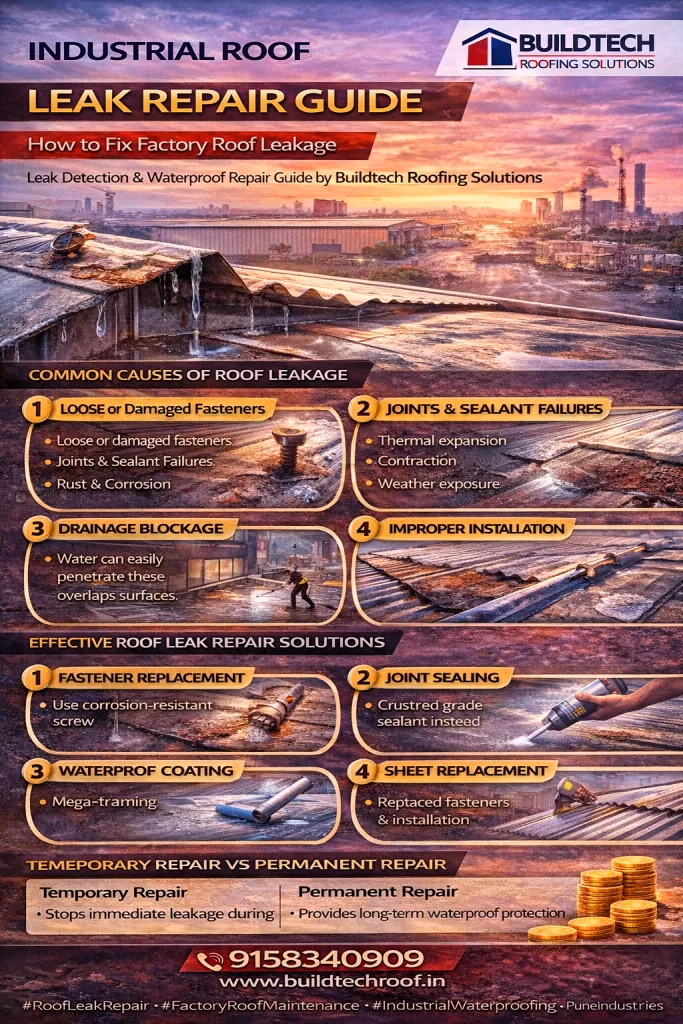
Industrial Roof Leak Repair Guide: How to Fix Factory Roof Leakage

Introduction: Why Industrial Roof Leak Repair Is Critical Roof leakage is one of the most common problems faced by factories, warehouses, and industrial buildings. Even a small leak can lead to major operational disruptions, equipment damage, and structural deterioration if not repaired quickly. Industrial roofs are exposed to harsh environmental conditions such as heavy rainfall, intense sunlight, and wind pressure. Over time, these conditions weaken roofing materials, causing cracks, loose fasteners, or damaged joints that allow water to penetrate. Understanding the causes and repair solutions for industrial roof leaks helps industries prevent costly damage and maintain safe working environments. Common Causes of Industrial Roof Leaks Industrial roof leaks occur due to several structural and environmental factors. 1️⃣ Loose or Damaged Fasteners Fasteners secure roofing sheets to the building structure. Over time, they may loosen due to: When fasteners loosen, small gaps develop that allow water to seep inside. 2️⃣ Sheet Joint Failure Industrial metal roofing sheets overlap at joints. If sealing materials deteriorate or the installation is improper, water can enter through these overlaps. Joint leakage often spreads along roofing sheets and causes widespread water penetration. 3️⃣ Rust and Corrosion Corrosion weakens metal roofing sheets and eventually creates holes or cracks. Industrial environments with humidity, chemicals, or pollution accelerate corrosion. Regular inspection helps detect corrosion before it causes serious damage. 4️⃣ Drainage Blockage Industrial roofs are designed with drainage systems to remove rainwater quickly. If drainage outlets become blocked by debris, water may accumulate on the roof surface. Standing water increases pressure on roofing sheets and leads to leakage. 5️⃣ Poor Installation Improper installation is another major cause of roof leakage. Problems may include: Professional installation is essential for long-term roof performance. Signs Your Industrial Roof Has a Leak Detecting roof leaks early prevents expensive repairs. Common warning signs include: If these signs appear, immediate inspection is recommended. Industrial Roof Leak Detection Methods Professional roofing experts use different techniques to identify leakage points. Visual Roof Inspection Technicians examine: This method identifies visible damage. Water Testing Water is sprayed on different roof areas while technicians inspect the interior. This helps identify hidden leakage points. Infrared Moisture Detection Infrared technology detects moisture beneath roofing layers that may not be visible from the surface. This advanced method provides highly accurate results. Industrial Roof Leak Repair Solutions Once the leakage source is identified, professional repair methods are applied. 1️⃣ Fastener Replacement Damaged or loose fasteners are replaced with corrosion-resistant screws fitted with weatherproof washers. 2️⃣ Joint Sealing Industrial-grade sealants are applied to: This prevents water penetration through gaps. 3️⃣ Waterproof Coating Application Waterproof coatings create a protective layer across roofing surfaces and seal small cracks. Benefits include: 4️⃣ Sheet Replacement If roofing sheets show significant damage or corrosion, you may need to replace only the affected sections. This ensures structural integrity. 5️⃣ Drainage System Repair Cleaning and improving drainage systems prevent water accumulation and future leakage problems. Emergency Leak Repair vs Permanent Repair Repair Type Purpose Temporary Repair Stops immediate leakage during rainfall Permanent Repair Provides long-term waterproof protection Professional permanent solutions should always follow temporary repairs. Preventive Maintenance to Avoid Roof Leaks Regular maintenance significantly reduces leakage risk. Recommended preventive measures include: Preventive maintenance increases roof lifespan and reduces repair costs. Industrial Roof Leak Repair Process Professional leak repair typically follows these steps: This systematic process ensures reliable results. Cost Factors for Industrial Roof Leak Repair Repair costs vary depending on several factors: Early repairs are always more economical than extensive restoration. Why Professional Leak Repair Is Important Professional roofing specialists ensure: DIY or temporary repairs often fail to address the root cause. Why Industries Choose Buildtech Roofing Solutions Buildtech Roofing Solutions offers: This ensures factories and warehouses remain protected from water damage. FAQs: Industrial Roof Leak Repair What causes industrial roof leaks?Common causes include loose fasteners, damaged sheet joints, corrosion, and drainage blockages. How are industrial roof leaks detected?Leaks are detected using visual inspection, water testing, and infrared moisture detection. Can roof leaks be repaired without replacing the roof?Yes. Many leaks can be fixed using sealants, fastener replacement, and waterproof coatings. How often should industrial roofs be inspected?At least once per year, and after heavy monsoon seasons. Conclusion: Protect Industrial Buildings with Professional Leak Repair Don’t ignore industrial roof leaks. Even small leaks can cause significant damage to machinery, materials, and building structures. Professional industrial roof leak repair solutions provide long-lasting waterproof protection and help maintain safe working environments in factories and warehouses. For reliable roof leak inspection and repair services in Pune, Buildtech Roofing Solutions provides expert industrial roofing solutions tailored to long-term performance.

Industrial Roof Leak Repair Guide: How to Fix Factory Roof Leakage Read More »

©2023 buildtechroof. All Rights Reserved.