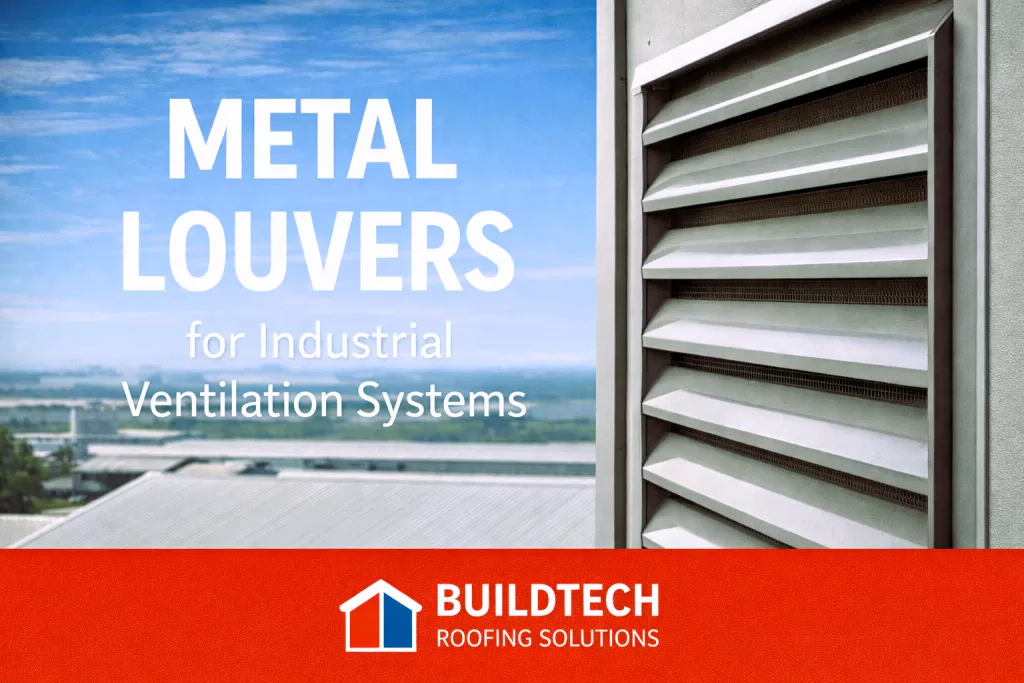
Metal Louvers for Industrial Ventilation: Efficient Airflow Solutions for Modern Buildings
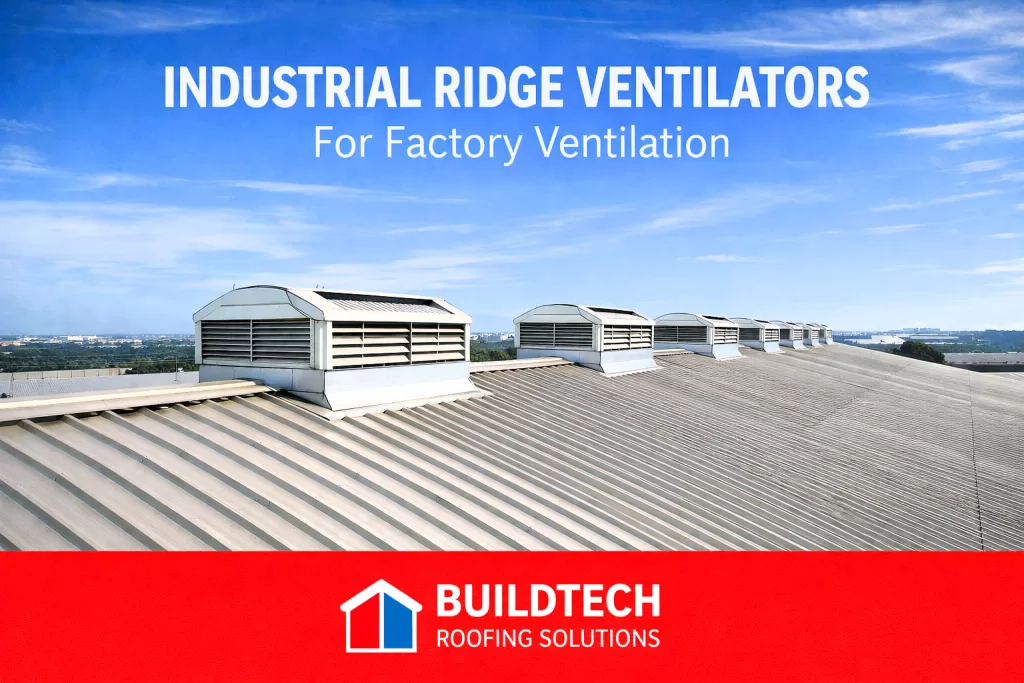
Introduction Industrial buildings require efficient ventilation systems to maintain comfortable indoor conditions, protect equipment, and ensure worker safety. One of the most effective solutions for controlling airflow while protecting buildings from external elements is the Metal Louver System. At Buildtech Roofing Solutions, we manufacture and supply high-performance industrial metal louvers designed to regulate airflow, prevent dust entry, and improve overall building ventilation. Metal louvers are widely used in: • Factories• Warehouses• Industrial plants• Commercial buildings• Data centers• Mechanical ventilation rooms This comprehensive guide explains how metal louvers work, their benefits, applications, and why they are essential for modern industrial buildings. What Are Metal Louvers? Metal louvers are ventilation panels made from metal blades or fins installed in building walls, roofs, or ventilation openings. They allow controlled airflow into and out of a building while preventing: • Rainwater entry• Dust and debris• Direct sunlight• Birds and insects The angled blades of the louver system are engineered to maximise airflow efficiency while protecting the interior environment. Why Industrial Buildings Need Metal Louvers Industrial facilities generate heat, humidity, and airborne particles during daily operations. Without proper ventilation, this can create unsafe and uncomfortable working environments. Metal louvers help solve these problems by providing controlled natural ventilation. Common problems solved by louvers • Heat buildup inside factories• Poor air circulation• Dust entry from outside• Moisture accumulation• Equipment overheating Installing high-quality metal louvers ensures consistent airflow while protecting the building’s interior. How Metal Louvers Work Metal louvers operate using a simple but highly effective airflow design. Ventilation process This process creates passive ventilation, reducing dependence on mechanical systems. Types of Metal Louvers Used in Industrial Buildings Different types of louvers are designed for specific ventilation needs. 1. Fixed Blade Louvers These are the most common types used in factories and warehouses. Features • Fixed angled blades• Low maintenance• Continuous airflow 2. Adjustable Louvers These louvers allow manual or motorised adjustment of blade angles. Advantages • Adjustable airflow control• Flexible ventilation management 3. Storm-Resistant Louvres Designed for areas with heavy rain or strong winds. Benefits • Prevent water penetration• Maintain airflow in harsh weather 4. Acoustic Louvers Used in buildings where noise reduction is important. These louvers allow ventilation while reducing sound transmission. Key Components of Metal Louvers A well-designed metal louver system includes several important components. Louver Frame Provides structural support and ensures proper installation within the wall opening. Louver Blades Angled metal fins that regulate airflow and block rainwater. Bird Mesh Prevents birds and insects from entering the ventilation system. Drainage Channels Helps remove any water that may enter the louver system. Protective Coating Colour-coated metal improves corrosion resistance and durability. Materials Used for Industrial Metal Louvers At Buildtech Roofing Solutions, louvers are manufactured using high-quality metals to ensure long-term performance. Common materials include Galvanized Steel • Strong and durable• Corrosion resistant Aluminium • Lightweight• Excellent weather resistance Colour-Coated Steel • Long lifespan• Attractive finish These materials ensure that louvers can withstand industrial environments and harsh weather conditions. Advantages of Metal Louvers Metal louvers offer several advantages for industrial buildings. Improved Ventilation Louvers allow continuous airflow, improving indoor air quality. Weather Protection Angled blades prevent rainwater and debris from entering the building. Energy Efficiency By enabling natural ventilation, louvers reduce the need for mechanical cooling systems. Long Service Life High-quality metal construction ensures durability and corrosion resistance. Low Maintenance Metal louvers require minimal maintenance compared to mechanical ventilation systems. Better Worker Comfort Proper airflow helps maintain comfortable indoor temperatures. Applications of Industrial Metal Louvers Metal louvers are used across a wide range of industries. Manufacturing Plants Improve ventilation and remove machine heat. Warehouses Control humidity and temperature. Power Plants Ensure proper airflow around equipment. Commercial Buildings Enhance ventilation and building aesthetics. Data Centers Provide ventilation for cooling systems. Integration with Industrial Roofing Systems Metal louvers are typically installed along with other ventilation systems, such as: • Ridge ventilators• Roof ventilators• Exhaust fans• Insulated roofing panels This integrated approach creates a complete industrial ventilation system. Installation Process of Metal Louvers Professional installation is important to ensure maximum performance and durability. Typical installation steps Proper installation ensures efficient airflow and weather protection. Maintenance Tips for Metal Louvers Metal louvers require minimal maintenance, but regular inspection ensures long-term performance. Recommended maintenance practices • Remove dust buildup from blades• Check bird mesh condition• Inspect fasteners for corrosion• Clean louvers periodically Routine maintenance helps maintain optimal airflow efficiency. Why Choose Buildtech Metal Louvers? Buildtech Roofing Solutions provides custom-engineered industrial louvers designed for high-performance ventilation. Key advantages • Precision-engineered louvers• High-quality metal construction• Weather-resistant coating• Custom sizes available• Professional installation support Our products are widely used in factories, warehouses, and commercial infrastructure projects across Maharashtra and India. Future of Industrial Ventilation Modern industrial architecture is increasingly focused on sustainable and energy-efficient building design. Metal louvers play a key role in: • Passive cooling systems• Green building designs• Energy-efficient factories• Sustainable industrial construction As industries move toward environmentally responsible solutions, natural ventilation systems like louvers will become even more important. Conclusion Metal louvers are an essential component of modern industrial ventilation systems. They provide controlled airflow, protect buildings from weather elements, and improve indoor air quality. By choosing Buildtech Roofing Solutions, businesses gain access to high-quality industrial louvers designed for durability, efficiency, and long-term performance. Whether you are building a new factory, upgrading a warehouse, or improving ventilation systems, metal louvers are a reliable and cost-effective solution.