buildtech roofing solutions

Buildtech Roofing Solutions offers top-quality roofing supplies and professional roofing services for all types of properties. Trusted by customers of all ages, we provide durable and affordable roofing solutions tailored to your needs.
Suppliers & Appliers of Profile Coated Sheet – Pre-Painted Profile Sheets, Color Cladding Sheets, Colour Profile Sheets, and Color Coated Profile Sheet used on Industrial & residency roofing & cladding sheet providers in Maharashtra, India.

Why Deck Sheets Are Used:

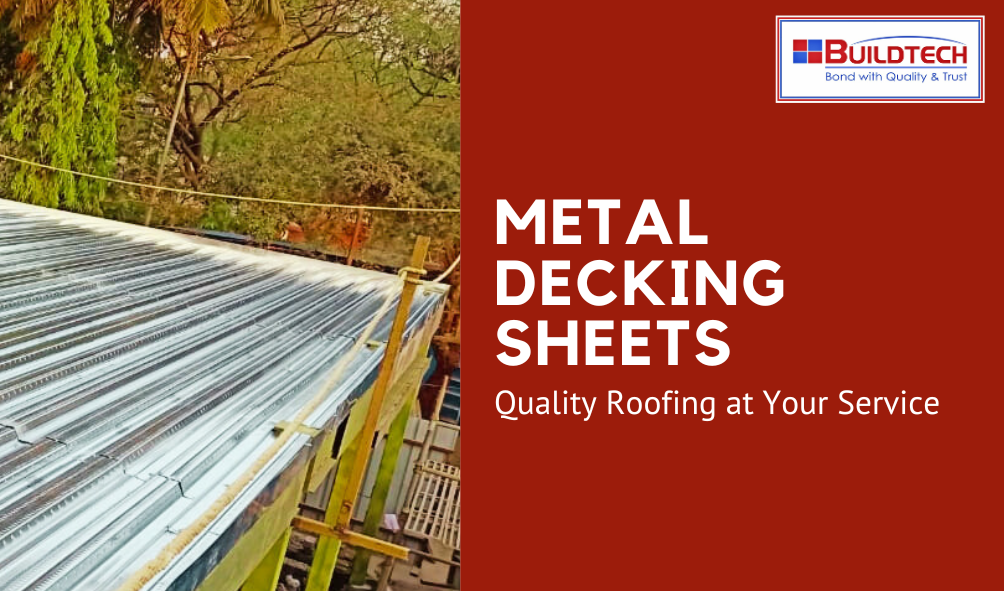
Why Deck Sheets Are Used: A Comprehensive Guide for Industrial, Residential, and Small Business Owners Introduction Metal decking sheets play a critical role in modern construction across industrial, residential, and commercial sectors. In today’s fast-evolving construction environment, builders use deck sheets to provide strong structural support, reduce construction time, and improve overall cost efficiency. Because of their durability and versatility, deck sheets have become a preferred solution for flooring and roofing applications. In this guide, we explain why deck sheets are used, explore their types and benefits, and highlight their applications. As a result, property owners can make informed construction decisions with confidence. What Are Deck Sheets? Deck sheets are profiled panels manufactured primarily from steel or aluminium. In simple terms, builders use them to create stable surfaces for floors, roofs, and ceilings. Due to their engineered design, deck sheets offer excellent load-bearing capacity while remaining lightweight. Moreover, deck sheets adapt easily to different construction requirements. Therefore, they suit a wide range of building projects. Types of Deck Sheets Metal Decking Sheets Metal decking sheets, commonly made from galvanized steel or aluminium, dominate industrial and commercial construction. Because they deliver high strength and corrosion resistance, builders frequently use them in high-rise buildings. In addition, their long service life reduces maintenance costs. Composite Deck Sheets Composite deck sheets combine metal decking with concrete to form a lightweight yet strong flooring system. As a result, they reduce structural load without compromising strength. Therefore, they work especially well in multi-storey buildings. Form Deck Sheets Form deck sheets act as permanent formwork for concrete slabs. During construction, they support wet concrete. After curing, they continue to add structural strength. Consequently, they improve overall building performance. Floor Decking Sheets Floor decking sheets provide a flat and stable base for various floor finishes. For example, builders use them under tiles, carpets, and hardwood flooring. As a result, they ensure uniform load distribution. Roof Decking Sheets Roof decking sheets create a strong base for roofing systems. Additionally, they support insulation layers and roofing materials such as metal sheets and tiles. Benefits of Using Deck Sheets 1. Strong Structural Support First and foremost, deck sheets are engineered to handle heavy loads. Therefore, they perform reliably in warehouses, factories, commercial buildings, and homes. 2. High Versatility Deck sheets suit floors, roofs, and ceilings. As a result, architects can easily integrate them into various design styles and layouts. 3. Cost-Effective Construction Deck sheets reduce construction costs by lowering labour time and material wastage. Moreover, their lightweight nature reduces transportation costs. Consequently, projects finish faster and within budget. 4. Enhanced Aesthetic Appeal Modern metal decking sheets offer clean lines and uniform finishes. Therefore, they enhance the visual appeal of residential and commercial buildings alike. 5. Fire Resistance Most metal decking sheets provide excellent fire resistance. Because of this, they improve safety in industrial and commercial environments. 6. Weather Resistance Galvanized steel and aluminium deck sheets withstand rain, heat, and extreme weather. As a result, they perform reliably across different climates. 7. Easy and Fast Installation Pre-engineered deck sheets allow quick installation. Therefore, builders save time and reduce labour costs. Applications of Deck Sheets Industrial Applications In industrial settings, deck sheets are used in factories, warehouses, and manufacturing plants. Because they support heavy machinery, they improve safety. Additionally, their fire and weather resistance enhances durability. Residential Applications In residential construction, deck sheets support floors and roofs. Moreover, they enable open layouts and modern designs. As a result, homeowners benefit from both strength and aesthetics. Small Business Applications Small businesses use deck sheets in offices, retail stores, and workshops. Since they are cost-effective and quick to install, business owners can manage budgets efficiently. How to Choose the Right Deck Sheet 1. Load Requirements First, assess the building’s load requirements. By doing so, you ensure long-term structural safety. 2. Material Selection Metal decking sheets offer durability, while composite options reduce weight. Therefore, choose materials based on performance needs. 3. Intended Application Floor decking and roof decking have different requirements. Hence, understanding the application helps narrow the selection. 4. Design Preferences Deck sheets come in various profiles and finishes. As a result, property owners can align them with architectural goals. 5. Budget Considerations Although deck sheets are cost-effective, comparing specifications ensures maximum value. In this way, projects remain financially efficient. Installation and Maintenance of Deck Sheets Installation Best Practices To achieve the best results: As a result, professional installation ensures durability and performance. Maintenance Guidelines To maintain performance: Consequently, proper maintenance extends service life. Conclusion In conclusion, deck sheets remain an essential construction material for industrial, residential, and small business projects. Because they offer strength, versatility, cost efficiency, and weather resistance, they provide long-term value. Therefore, by choosing the right deck sheets and ensuring proper installation, property owners can create durable, safe, and visually appealing structures.

Why Deck Sheets Are Used: Read More »
Should I Replace My Current Roof Vents with a Ridge Vent?

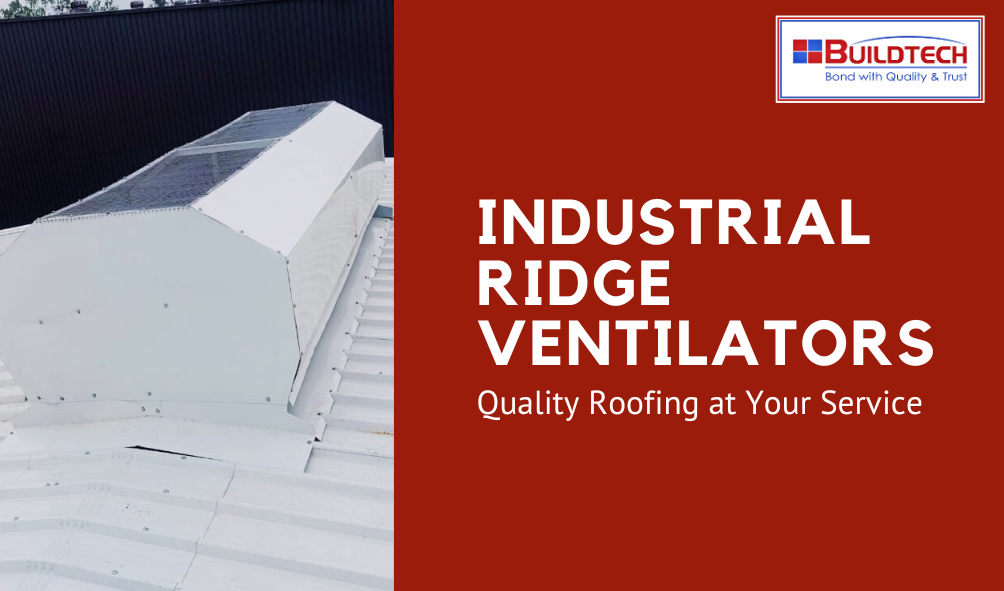
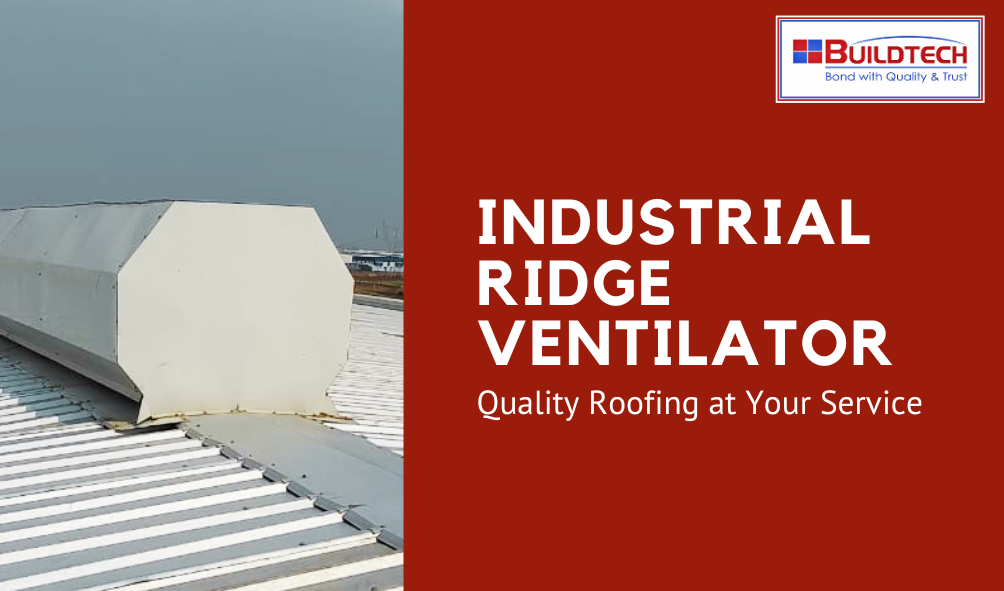
Should I Replace My Current Roof Vents with a Ridge Vent? Introduction Roof ventilation is a crucial aspect of maintaining the integrity and efficiency of any building, whether industrial, residential, or commercial. The choice of roof vent can significantly impact energy efficiency, moisture control, and overall indoor comfort. One popular option is the ridge vent, which has garnered attention for its effectiveness in promoting airflow and reducing heat buildup. This article will explore the benefits, considerations, and applications of ridge vents, helping industrial, residential, and small business owners make informed decisions about their roof ventilation systems. Understanding Roof Ventilation The Importance of Roof Ventilation Effective roof ventilation is essential for several reasons: Types of Roof Vents There are several types of roof vents, each with its advantages and applications: What is a Ridge Vent? Definition and Function A ridge vent is a continuous vent installed at the ridge or peak of a sloped roof. It works by allowing hot air to escape from the attic while drawing in cooler air from lower vents, such as soffit vents. This natural airflow helps regulate attic temperatures and reduces the risk of moisture accumulation. Types of Ridge Vents Benefits of Ridge Vents Enhanced Airflow Ridge vents provide a continuous opening along the roof’s peak, allowing for more effective airflow compared to traditional roof vents. This design promotes better ventilation and helps maintain a balanced air exchange. Energy Efficiency By reducing heat buildup in the attic, ridge vents can lower energy costs associated with air conditioning and heating. This is particularly beneficial for industrial buildings with large, unconditioned spaces. Moisture Control Ridge vents help prevent moisture-related issues by allowing humid air to escape. This is critical in climates with high humidity or during warm months when moisture can accumulate in the attic. Aesthetic Appeal Ridge vents can be less obtrusive than other vent types, blending seamlessly with the roofline. This aesthetic advantage makes them a popular choice for residential and commercial applications. Low Maintenance Ridge vents require minimal maintenance compared to other vent types. Once installed, they typically do not need regular adjustments or replacements, making them a cost-effective choice over time. Considerations for Replacing Roof Vents with Ridge Vents Compatibility with Existing Roof Structure Before replacing current roof vents with ridge vents, it is essential to assess the compatibility with the existing roof structure. Ridge vents require a peak, and not all roofs are designed to accommodate them. Installation Process Installing ridge vents involves cutting into the roof and ensuring proper sealing to prevent leaks. It is advisable to hire a professional contractor experienced in ridge vent installation to ensure a proper fit and function. Local Climate Conditions The effectiveness of ridge vents can vary based on local climate conditions. In areas with high snowfall, for example, it is essential to consider how ridge vents will perform in winter conditions. Cost Considerations While ridge vents can offer long-term savings in energy costs, the initial installation may involve higher upfront costs compared to traditional roof vents. Property owners should weigh these costs against the potential benefits. Building Codes and Regulations Before making any changes to roof ventilation systems, it is crucial to check local building codes and regulations. Compliance ensures that the installation meets safety and performance standards. Applications of Ridge Vents Industrial Applications In industrial settings, ridge ventilators are often used in warehouses, manufacturing facilities, and distribution centers. Their ability to promote airflow in large spaces helps maintain optimal working conditions and protect equipment. Residential Applications Homeowners can benefit from ridge vents in attics and garages, improving indoor air quality and energy efficiency. Ridge vents are particularly advantageous in homes with steeply pitched roofs. Small Business Applications Small business owners can enhance their commercial properties with ridge vents, ensuring a comfortable environment for employees and customers. Ridge vents can be installed in retail spaces, offices, and workshops to improve ventilation. Conclusion Replacing current roof vents with ridge vents can be a wise decision for industrial, residential, and small business owners seeking improved ventilation, energy efficiency, and moisture control. Ridge vents offer numerous benefits, including enhanced airflow, low maintenance, and aesthetic appeal. However, property owners must consider compatibility with existing structures, installation processes, local climate conditions, and cost implications before making the switch. By understanding the advantages and considerations associated with ridge vents, individuals can make informed choices that contribute to the longevity and efficiency of their buildings. So, contact us if you need product advice or want to discuss your project requirements.  #factory #supplier #performance #order #quality #weatherproof #india  #productions #thickness #avilablenow #manufacturing #Ridge Vent #Metal Ridge Ventilation System #Roof Ventilation #ridgeventilators #structuralridgeventilator #ridgevent

Should I Replace My Current Roof Vents with a Ridge Vent? Read More »

Understanding the Function of Louvers

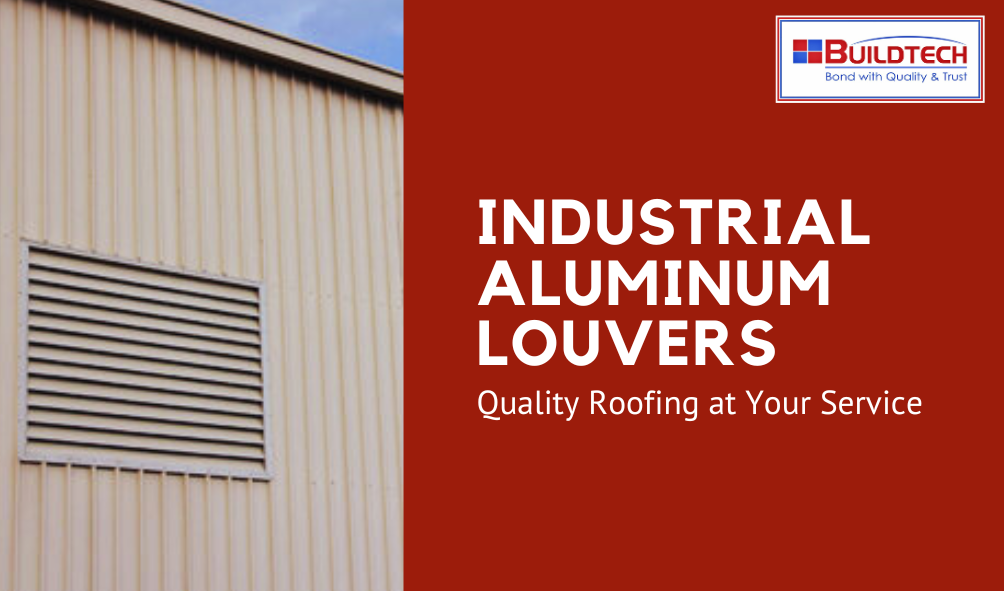
The Importance of Louvers: A Comprehensive Guide for Industrial, Residential, and Small Business Owners Introduction Louvers are an essential architectural feature that plays a significant role in ventilation, aesthetics, and energy efficiency for various types of buildings. Whether in industrial settings, residential homes, or small business establishments, louvers provide numerous benefits that enhance indoor air quality and comfort. This article will explore the various types of louvers, their applications, and the reasons why they are vital for modern construction. What Are Louvers? Louvers are slatted or angled openings in a wall, roof, or window that allow air to flow in and out of a building while preventing rain, debris, and direct sunlight from entering. They can be made from various materials, including metal, wood, and plastic, and are designed to provide both functionality and aesthetic appeal. Types of Louvers Benefits of Using Louvers Improved Ventilation One of the primary reasons for using louvers is to enhance ventilation within a building. By allowing fresh air to circulate and stale air to escape, louvers help maintain optimal indoor air quality. This is particularly important in industrial settings where machinery may produce heat and pollutants. Energy Efficiency Louvers can contribute to a building’s energy efficiency by reducing the reliance on air conditioning systems. By allowing natural airflow, louvers help regulate indoor temperatures, which can lead to significant energy savings over time. This is especially beneficial for small business owners looking to reduce operational costs. Protection from the Elements Louvers are designed to prevent rain, snow, and debris from entering a building while still allowing air to flow freely. This protective feature is crucial in maintaining the integrity of the building’s interior and preventing damage to equipment and furnishings. Aesthetic Appeal In addition to their functional benefits, louvers can enhance the visual appeal of a building. With various designs, colors, and materials available, property owners can choose louvers that complement their building’s architecture and create an attractive facade. Noise Reduction Louvers can also help reduce noise pollution by acting as a barrier to sound. This is particularly beneficial in industrial areas where machinery and equipment can create significant noise levels. By installing louvers, property owners can create a more comfortable and quiet indoor environment. Applications of Louvers Industrial Applications In industrial settings, louvers play a critical role in maintaining proper ventilation and air quality. They are commonly used in factories, warehouses, and manufacturing plants to facilitate airflow and prevent overheating. Industrial louvers are often designed to handle high volumes of air and can be integrated with HVAC systems for optimal performance. Residential Applications Homeowners can benefit from louvers in various ways. Whether used in attics, basements, or exterior walls, louvers help improve ventilation and maintain comfortable indoor temperatures. Additionally, architectural louvers can enhance the aesthetic appeal of a home, making them a popular choice among residential builders and designers. Small Business Applications For small business owners, louvers can provide essential ventilation and energy efficiency benefits. Whether in retail spaces, offices, or workshops, louvers help create a comfortable environment for employees and customers alike. By improving air circulation, small businesses can enhance productivity and customer satisfaction. Choosing the Right Louvers When selecting louvers for a building, several factors should be considered: Installation and Maintenance Proper installation and maintenance of louvers are essential for their effectiveness and longevity. It is recommended to hire professionals for installation to ensure that the louvers are correctly positioned and sealed. Regular maintenance, including cleaning and inspections, will help prevent clogs and ensure that the louvers continue to function effectively. Conclusion Louvers are a vital component in modern construction, providing essential benefits in ventilation, energy efficiency, and aesthetic appeal. Whether for industrial, residential, or small business applications, understanding the importance of louvers can help property owners make informed decisions that enhance their buildings’ performance and comfort. By selecting the right type of louver and ensuring proper installation and maintenance, building owners can enjoy the numerous advantages that louvers offer for years to come. So, contact us if you need product advice or want to discuss your project requirements.  #factory #supplier #performance #india  #productions #thickness #avilablenow #manufacturing #ventilationlouvers #aluminumlouvers #steellouver #weatherlouvers #gravityairlouver #ventilationlouvers #exhaustfanlouvre #louver #buildtechroof

Understanding the Function of Louvers Read More »

The Double Skin Insulated Roofing Sheet System

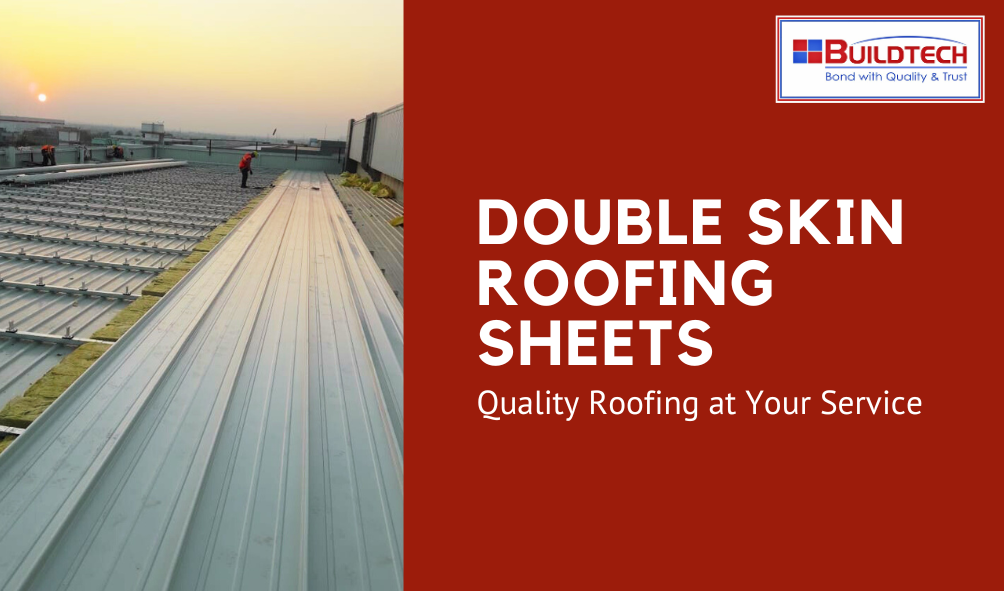
What is a Double Skin Insulated Roofing Sheet System? Introduction In the quest for energy efficiency and sustainable building practices, the construction industry has seen a significant shift towards innovative materials and systems. One such advancement is the double-skin insulated roofing sheet system. This article will explore what double-skin insulated roofing sheets are, their benefits, applications, and how they can be an ideal choice for industrial, residential, and small business owners. Understanding Double Skin Insulated Roofing Sheets Definition A double-skin insulated roofing sheet system comprises two layers of metal roofing sheets with an insulating material sandwiched between them. This design enhances thermal performance, providing effective insulation while also offering structural integrity and durability. Components How It Works The double-skin design creates an air gap between the two metal sheets, which acts as an insulating barrier. This air gap minimizes heat transfer, keeping interiors cooler in summer and warmer in winter. The insulating material further enhances this effect, leading to significant energy savings. Benefits of Double Skin Insulated Roofing Sheets 1. Energy Efficiency One of the primary advantages of double-skin insulated roofing sheets is their ability to significantly reduce energy consumption. By minimizing heat transfer, buildings can maintain a more stable internal temperature, leading to lower heating and cooling costs. 2. Durability and Longevity The metal roofing sheets used in this system are designed to withstand harsh weather conditions. They are resistant to rust, corrosion, and UV radiation, ensuring a long lifespan. This durability means fewer replacements and repairs over time. 3. Noise Reduction The insulating layer in double-skin roofing sheets also helps in reducing noise pollution. This is particularly beneficial for industrial facilities or residential areas near busy roads or airports, where sound insulation is a priority. 4. Aesthetic Appeal With options for colour coating, these roofing sheets can enhance the visual appeal of a building. They can be customized to match the building’s design, contributing to a cohesive architectural style. 5. Easy Installation The modular nature of double-skin insulated roofing sheets allows for quick and easy installation. This can significantly reduce labor costs and construction time, making them an ideal choice for both new builds and renovations. Applications of Double Skin Insulated Roofing Sheets Industrial Use In industrial settings, double-skin insulated roofing sheets are widely used in warehouses, factories, and manufacturing plants. Their energy efficiency and durability make them suitable for large structures that require substantial overhead space. Residential Use Homeowners increasingly recognize the benefits of double-skin roofing sheets. They are ideal for residential buildings, especially in areas with extreme weather conditions. The insulation properties contribute to a comfortable living environment while also reducing energy bills. Small Business Owners For small businesses, investing in double-skin insulated roofing sheets can lead to significant cost savings in the long run. Whether it’s a retail store, café, or workshop, these roofing systems provide a practical solution for maintaining a pleasant atmosphere for customers and employees alike. Conclusion The double-skin insulated roofing sheet system is a versatile and efficient solution that meets the needs of various sectors, including industrial, residential, and small business owners. With their energy-saving properties, durability, and aesthetic customization options, they represent a smart investment for anyone looking to enhance their building’s performance and appearance. As the demand for sustainable construction practices continues to grow, double-skin insulated roofing sheets are poised to play a crucial role in the future of roofing technology. So, contact us if you need product advice or want to discuss your project requirements. Please click the link below. https://www.facebook.com/buildtechroof/ #factory #supplier #performance #order #quality #buildingmaterials #india  #productions #thickness #avilablenow #manufacturing

The Double Skin Insulated Roofing Sheet System Read More »

Understanding Ridge Ventilation Systems

Understanding Ridge Ventilation Systems: A Comprehensive Guide Ridge ventilation systems are essential components in the architecture of roofs, providing a natural method for air circulation and temperature regulation. This article aims to give business, industrial, and residential owners a thorough understanding of ridge ventilation systems, their components, benefits, and installation considerations. What is a Ridge Ventilation System? A ridge ventilation system is a passive ventilation solution that is installed at the peak of a roof. It allows hot air to escape from the attic or roof space, promoting a cooler environment within the building. This system works in conjunction with other ventilation components, such as soffit vents, to create a balanced airflow that helps maintain optimal indoor conditions. Components of a Ridge Ventilation System Benefits of Ridge Ventilation Systems Ridge ventilation systems offer several advantages for business, industrial, and residential owners: 1. Improved Indoor Air Quality By allowing stale and humid air to escape, ridge ventilators help maintain a healthier indoor environment. This is particularly important in industrial settings where air quality can significantly impact worker health and productivity. 2. Energy Efficiency A well-ventilated building requires less energy for heating and cooling. Ridge ventilation systems can reduce reliance on air conditioning, leading to lower energy bills and a reduced carbon footprint. 3. Prolonged Roof Lifespan Excess heat and moisture can lead to roof damage over time. By facilitating proper ventilation, ridge ventilators help prevent issues such as mould growth, rot, and premature aging of roofing materials. 4. Enhanced Comfort In residential settings, effective ventilation contributes to a more comfortable living environment by regulating temperature and humidity levels, especially during hot summer months. Types of Ridge Ventilators There are various types of ridge ventilators available on the market, each designed to cater to specific needs: 1. Static Ridge Ventilators These are the most common type, relying solely on natural convection to expel hot air. They are ideal for residential roofs and low-traffic industrial buildings. 2. Powered Ridge Ventilators These ventilators use electric fans to enhance airflow, making them suitable for larger industrial spaces where passive ventilation may not suffice. 3. Low-Profile Ridge Ventilators Designed to blend seamlessly with the roofline, low-profile options are aesthetically pleasing and effective, making them a favorite for residential applications.

Understanding Ridge Ventilation Systems Read More »

Understanding the Function of Louvers

A Comprehensive Guide for Industrial and Residential Applications Louvers play a crucial role in both industrial and residential settings by managing airflow, controlling light, and enhancing aesthetic appeal. Whether used in ventilation systems, wall openings, or decorative finishes, louvers serve various functions that contribute to the overall efficiency and comfort of a space. This article delves into the different types of louvers, specifically industrial louvers, wall louvers, and metal louvers, while also discussing their applications and benefits. What Are Louvers? Louvers are architectural features that consist of horizontal slats or blades designed to allow air to flow while blocking rain, sunlight, and other environmental elements. They are commonly used in ventilation systems, roofs, walls, and windows. Louvres can be fixed or adjustable, offering varying degrees of control over airflow and light entry. Types of Louvers 1. Industrial Louvers Industrial louvers are specifically designed for use in commercial or industrial settings, where they play a vital role in ventilation, cooling, and air filtration. These louvers are typically larger and constructed from durable materials to withstand harsh environmental conditions. Key Features: Applications: 2. Wall Louvers Wall louvers are installed in the exterior walls of buildings to provide ventilation while preventing water entry. They are essential for maintaining indoor air quality and can be found in both residential and commercial structures. Key Features: Applications: 3. Metal Louvers Metal louvers are constructed from materials such as aluminum, stainless steel, or galvanized steel. They are favored for their strength, durability, and corrosion resistance, making them ideal for a variety of applications. Key Features: Applications: Benefits of Using Louvers 1. Improved Airflow and Ventilation Louvers facilitate the movement of air in and out of a building, helping to regulate temperature and maintain indoor air quality. By allowing fresh air to enter while exhausting stale air, louvers contribute to a healthier environment. 2. Energy Efficiency By promoting natural ventilation, louvers reduce the reliance on mechanical heating and cooling systems, leading to lower energy consumption. This not only benefits the environment but also reduces operational costs for businesses and homeowners. 3. Protection from the Elements Louvers effectively block rain, snow, and direct sunlight, protecting the interior of a building from potential damage. This protection is especially important in industrial settings, where equipment and products may be sensitive to moisture and temperature fluctuations. 4. Aesthetic Appeal Available in various designs, colors, and finishes, louvers can enhance the architectural beauty of a building. They can be customized to complement the overall aesthetic of residential or commercial structures, adding value and curb appeal. 5. Noise Reduction Louvers can also help reduce noise pollution by providing a barrier between the indoor environment and external noise sources. This feature is particularly beneficial in urban areas or near busy roadways. Factors to Consider When Choosing Louvers 1. Purpose and Functionality Understanding the primary function of the louver is crucial. Determine whether the primary goal is ventilation, aesthetic enhancement, or protection from the elements. This will guide the selection of the appropriate type of louver. 2. Material Selection Choose materials based on environmental exposure, durability, and maintenance requirements. For instance, metal louvers may be more suited for industrial applications, while decorative louvers in residential settings may prioritize aesthetic appeal. 3. Size and Configuration Consider the size of the opening where the louver will be installed, as well as the desired airflow capacity. Proper sizing ensures optimal performance and efficiency. 4. Local Building Codes Check local building codes and regulations regarding the installation of louvers. Compliance with these regulations is essential for safety and legality. 5. Cost and Budget Evaluate the budget for the louver installation project. While more durable materials may have a higher upfront cost, they may prove more cost-effective in the long run due to lower maintenance needs. Installation and Maintenance of Louvers Installation Proper installation is key to ensuring the performance and longevity of louvers. It is advisable to hire professionals with experience in louver installation to ensure that they are mounted securely and operate effectively. Maintenance “Ensuring the efficiency of louvers is crucial for optimal performance. While they typically need minimal maintenance, it’s important to conduct regular inspections and cleaning to keep them in top shape.” Removing debris, checking for corrosion, and ensuring moving parts function correctly will prolong the life of the louvers. Conclusion Louvers serve a crucial function in both industrial and residential settings, providing ventilation, protecting against the elements, and enhancing the aesthetics of buildings. Understanding the different types of louvers—industrial, wall, and metal—can help business leaders and homeowners make informed decisions that align with their specific needs. By considering factors such as material selection, size, and functionality, individuals can choose the right louver system to optimize airflow, energy efficiency, and overall comfort in their spaces. With proper installation and maintenance, louvers can offer long-lasting benefits, making them an essential component of modern architectural design So, contact us if you need product advice or want to discuss your project requirements.  #factory #supplier #performance #india  #productions #thickness #avilablenow #manufacturing #ventilationlouvers #aluminumlouvers #steellouver #weatherlouvers #gravityairlouver #ventilationlouvers #exhaustfanlouvre #louver #buildtechroof

Understanding the Function of Louvers Read More »

What is a Metal Louver?

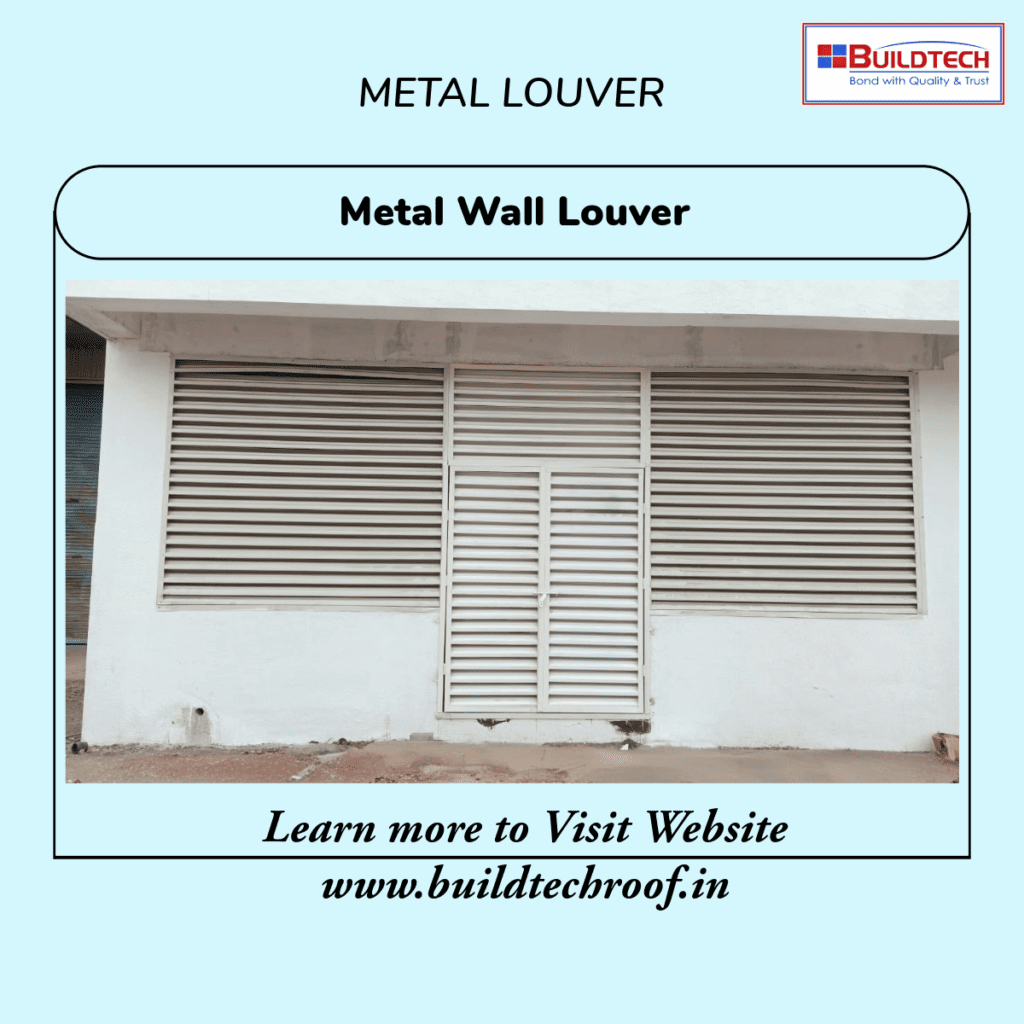
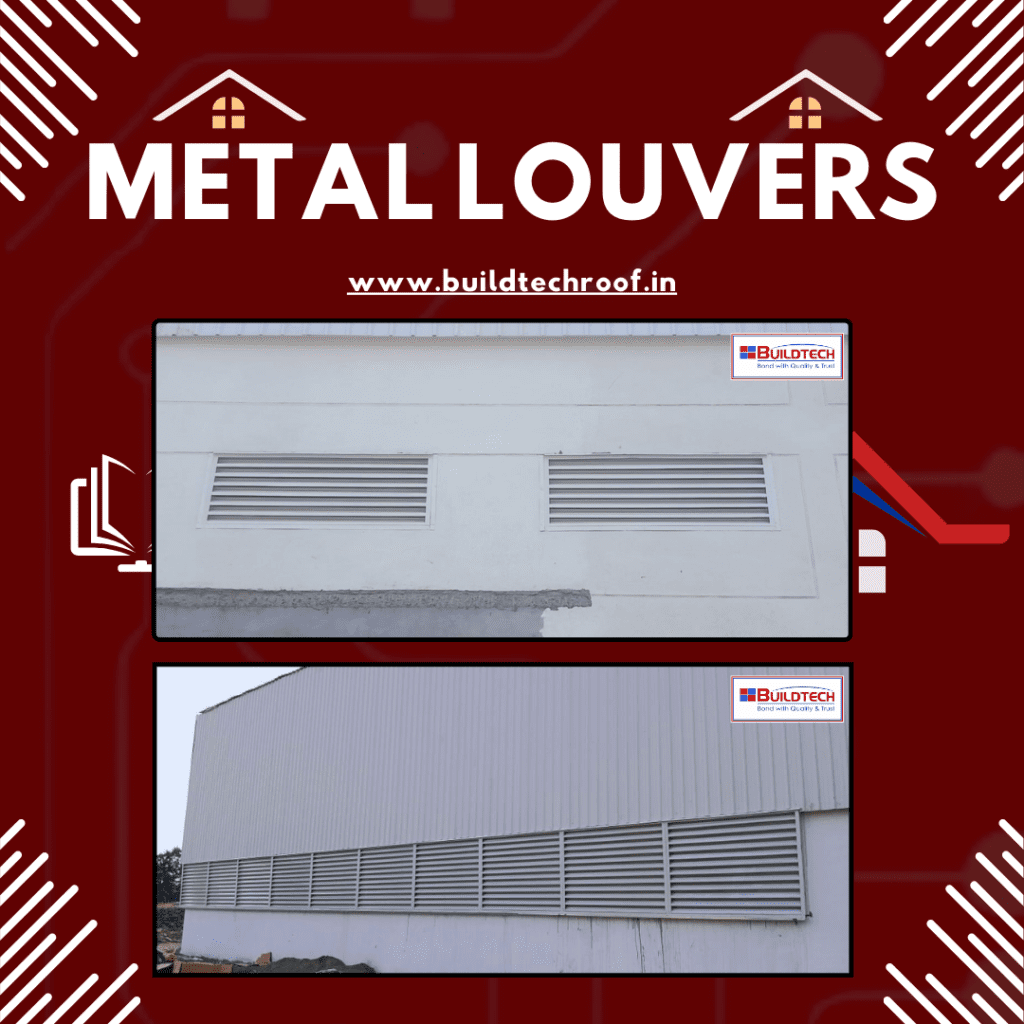
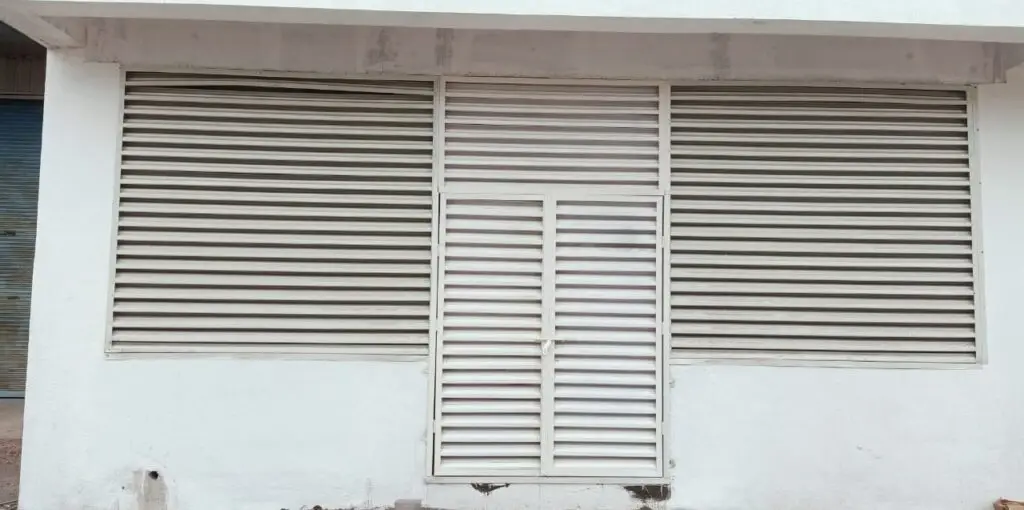
What is a Metal Louver? A Comprehensive Guide for Small Business Owners As a small business owner in the industrial or shed sector, understanding the components that enhance your operations is crucial. One such component is the metal louver. This guide provides an overview of metal louvers, their benefits, and effective business applications. What is a Metal Louver? A metal louver is an architectural feature consisting of a series of slats or blades that are angled to allow air to circulate while preventing the entry of rain, debris, or direct sunlight. Typically made from materials like aluminium or galvanized steel, metal louvers are used in various applications, including ventilation systems, air conditioning units, and building facades. Key Features of Metal Louvers Benefits of Using Metal Louvers For small business owners, incorporating metal louvers into your operations can offer several advantages: Applications of Metal Louvers can be applied in various settings, including. Conclusion Metal louvres can improve airflow, enhance energy efficiency, and provide protection from the elements, making them a valuable addition to any industrial or shed setting. Investing in quality louvres can create a more comfortable and efficient environment for your business to thrive. So, contact us if you need product advice or want to discuss your project requirements.  #factory #supplier #performance #india  #productions #thickness #avilablenow #manufacturing #ventilationlouvers #aluminumlouvers #steellouver #weatherlouvers #gravityairlouver #ventilationlouvers #exhaustfanlouvre #louver #buildtechroof

What is a Metal Louver? Read More »

Understanding the Basic Types of Metal Ridge Ventilation Systems

Understanding the Basic Types of Metal Ridge Ventilation Systems As an entrepreneur in the construction or building materials industry, it’s essential to understand the various systems that can enhance building performance. One such system is the metal ridge ventilation system, which plays a crucial role in maintaining proper airflow and temperature regulation in buildings. This blog post will outline the basic types of metal ridge ventilation systems, helping you make informed decisions for your projects. What is Ridge Ventilation? Ridge ventilation is a passive ventilation system installed at the peak of a roof. It allows hot air to escape from the attic space, promoting better airflow and reducing moisture buildup. This is particularly important in preventing issues like mould growth and roof damage. Metal ridge vents are popular for their durability and effectiveness, making them a preferred choice for many builders and homeowners. 1. Continuous Ridge Ventilator The continuous ridge vent is one of the most common types of ridge ventilation systems. It runs the entire length of the roof ridge and provides consistent airflow throughout the attic space. This system is designed to work with soffit vents, creating balanced airflow that helps regulate temperature and humidity levels. Advantages: 2. Box Ridge Ventilator Box ridge vents are discrete ventilation units that are installed at intervals along the roof ridge instead of running continuously. These vents can be a good choice for roofs with complex designs or various slopes. Each box unit acts independently to allow hot air to escape, promoting ventilation in specific areas of the roof. Advantages: 3. Turbine Ridge Ventilator Turbine ridge vents incorporate a rotating mechanism that enhances airflow through the roof. As the wind blows across the turbine, it spins and creates a vacuum effect, drawing warm air out of the attic. This type of ventilation is especially effective in areas with consistent wind patterns. Advantages:

Understanding the Basic Types of Metal Ridge Ventilation Systems Read More »

Unveiling the Mystery of Metal Louvers:

A Guide to Understanding and Appreciating Their Functionality Unravelling the Definition of Metal Louvers Metal louvers are architectural elements that serve multiple purposes, such as providing ventilation, allowing natural light to filter through, and enhancing the aesthetics of a building. These slatted structures consist of angled slats or blades, often made from aluminium, steel, or other metals, arranged horizontally or vertically. The design of metal louvres facilitates the flow of air while also offering privacy and sun control. The Utility of Metal Louvers in Different Settings Metal louvers find application in various settings, including commercial buildings, residential properties, and industrial facilities. In commercial buildings, louvres are installed on the exterior to improve airflow and maintain a comfortable indoor environment. In residential properties, metal louvres are used for privacy and to regulate sunlight. Industrial facilities utilize metal louvres for ventilation and to protect equipment from weather elements. Benefits of Installing Metal Louvers The installation of metal louvers comes with several benefits. These include improved air circulation, energy efficiency, enhanced privacy, and an increase in natural light. By allowing proper ventilation, metal louvers can help reduce indoor humidity levels and prevent mould growth. Additionally, the ability to control the amount of sunlight entering a space can contribute to energy savings by reducing the need for artificial lighting. Types of Metal Louvers There are different types of metal louvers available, each with unique features to suit various requirements. Fixed louvers are stationary and provide constant airflow, while adjustable louvers allow for customized ventilation control. Drainable louvers are designed to channel water away from the building, making them ideal for areas prone to heavy rainfall. Combination louvers combine different functionalities, such as ventilation and weather protection. Maintenance and Care for Metal Louvers To ensure the longevity and optimal performance of metal louvers, regular maintenance is essential. Cleaning the louvers periodically to remove dust and debris prevents blockages and maintains airflow. Inspecting the louvers for any damage or signs of wear and tear is important for early detection and timely repairs. Lubricating movable parts, such as adjustable louvers, helps maintain smooth operation. Conclusion Metal louvers are versatile architectural elements that serve both functional and aesthetic purposes in various settings. Understanding the different types of metal louvers available, their benefits, and the importance of maintenance can help you make informed decisions when considering their installation. Whether enhancing ventilation in a commercial building or adding privacy to a residential property, metal louvers offer a practical solution with added visual appeal. So, contact us if you need product advice or want to discuss your project requirements.  #factory #supplier #performance #order #quality #weatherproof #india  #productions #thickness #avilablenow #manufacturing #RidgeVent #Louver #Roof Ventilation #ventilationlouvers #aluminumlouvers #metallouvers #steellouver #weatherlouvers #gravityairlouver

Unveiling the Mystery of Metal Louvers: Read More »

Ridge Vents Systems vs. Traditional Roof Vents:

Ridge Ventilation Systems vs. Traditional Roof Vents: Which is the Better Choice? Introduction When it comes to selecting the appropriate ventilation system for your roof, choosing between ridge ventilation systems and traditional roof vents can pose a challenge. Each option comes with its own set of advantages and disadvantages, but determining which is the superior choice for your home is essential. In this blog post, we will conduct a comprehensive comparison of ridge ventilation systems and traditional roof vents to assist you in making an informed decision Ridge Ventilation Systems Traditional Roof Vents Comparison Which is the Better Choice? Factors to consider when selecting between ridge ventilation systems and traditional roof vents Recommendations based on specific roof types and climates Case studies and real-life examples

Ridge Vents Systems vs. Traditional Roof Vents: Read More »

©2023 buildtechroof. All Rights Reserved.