Buildtechroof

Exploring Advanced Roofing Solutions

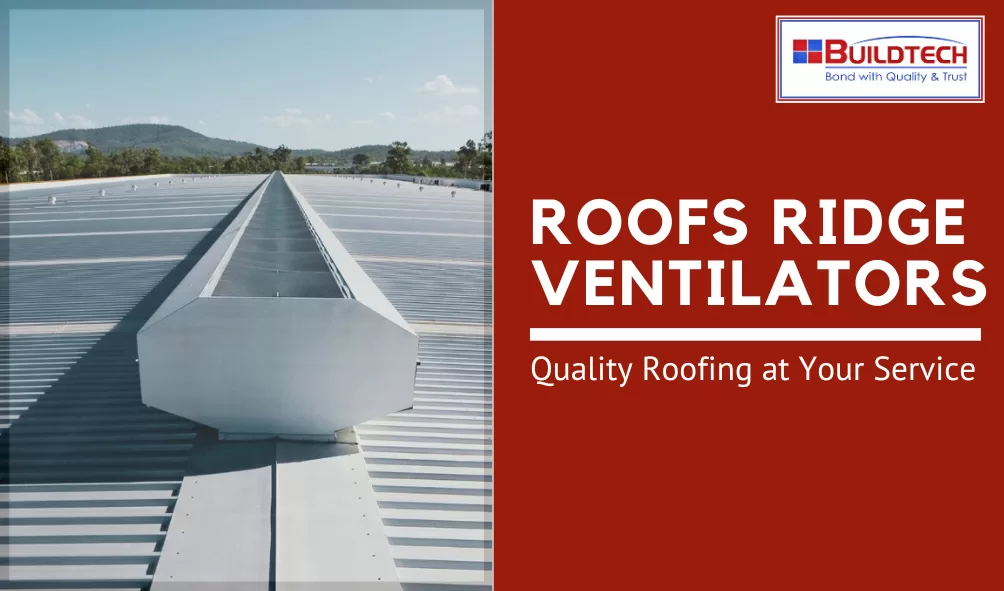
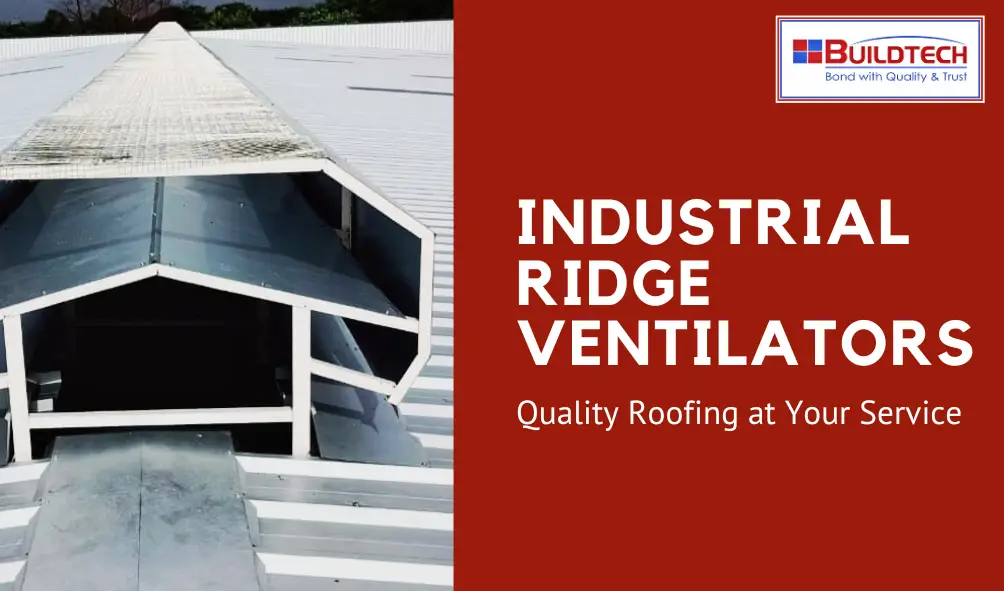
Exploring Advanced Roofing Solutions: Enhancing Efficiency, Sustainability, and Innovation In the evolving landscape of architecture and construction, roofing has transcended its functional origins to become a cornerstone of design, efficiency, and sustainability. Modern roofing solutions protect and optimize energy use, enhance aesthetic appeal, and contribute to environmentally responsible building practices. This blog will delve into cutting-edge innovations such as industrial ridge ventilators, metal louvers, decking sheets, insulated panel sheets, Onduline Sheets & Tiles, and roofing metal accessories—designed to meet the dynamic needs of diverse stakeholders, including architects, contractors, corporate decision-makers, and homeowners. Industrial Ridge Ventilators: Breathing New Life into Buildings Efficient ventilation is paramount for maintaining indoor air quality and regulating temperature in industrial and commercial buildings. Industrial ridge ventilators offer a cost-effective and sustainable solution, enabling passive ventilation by harnessing natural air movement. These systems reduce reliance on HVAC systems, cutting energy costs and carbon emissions while enhancing indoor comfort. With their sleek designs and durable construction, they seamlessly integrate into modern architectural aesthetics. Metal Louvers: Versatility Meets Durability For those prioritizing functionality and style, metal louvers stand out. Designed for optimal airflow and protection, they cater to a variety of applications, from industrial facilities to residential projects. Their robust build ensures longevity, while customizable designs allow seamless integration with diverse architectural themes. Whether managing airflow, shading, or providing ventilation, metal louvers exemplify practicality and sophistication. Decking Sheets: The Backbone of Structural Integrity A crucial element in modern construction, decking sheets provide exceptional strength and support for roofs and floors. These lightweight yet durable components facilitate faster construction timelines and offer superior load-bearing capacity. Available in various finishes, decking sheets also contribute to thermal insulation and soundproofing, making them an indispensable choice for commercial and industrial buildings. Insulated Panel Sheets: The New Standard in Thermal Efficiency Energy efficiency is a pressing concern in today’s construction industry. Insulated panel sheets address this need by offering superior thermal performance, and reducing energy consumption and operational costs. Their lightweight design and easy installation make them a preferred choice for green building projects. These panels excel in minimizing heat transfer, ensuring year-round indoor comfort. Onduline Sheets & Tiles: A Blend of Tradition and Innovation Combining classic appeal with modern technology, Onduline Sheets & Tiles redefines roofing aesthetics. Their lightweight and eco-friendly design make them ideal for residential and commercial projects seeking a balance of durability and elegance. Resistant to extreme weather conditions and corrosion, Onduline products provide long-lasting performance while maintaining their visual charm. Roofing Metal Accessories: Small Components, Big Impact Every roofing project’s success lies in the details. Roofing metal accessories such as fasteners, ridge caps, and flashing ensure a seamless and secure installation. These components not only enhance the roof’s durability but also contribute to its overall efficiency and aesthetic appeal. By focusing on quality accessories, builders and contractors can achieve roofs that stand the test of time. Why Innovation in Roofing Matters As the global emphasis on sustainability intensifies, the roofing industry is integrating innovative materials and solutions that meet stringent environmental standards. From reducing energy consumption to improving indoor air quality, advanced roofing solutions address the diverse needs of architects, facility managers, and homeowners alike. By choosing the right products, stakeholders can contribute to a greener, more sustainable future while enjoying the benefits of superior performance and aesthetics. Conclusion: Your Partner in Roofing Excellence At Buildtech Roofing Solutions, we understand the complexities of modern construction and are committed to providing cutting-edge products tailored to your unique needs. Whether you’re an architect designing iconic structures or a homeowner seeking reliable roofing solutions, our comprehensive range of products—from industrial ridge ventilators to Onduline Sheets & Tiles—ensures that quality, innovation, and sustainability are at the heart of every project. Ready to elevate your next roofing project? Explore our offerings and discover how we can help you achieve excellence in every detail. Contact us today to learn more!

Exploring Advanced Roofing Solutions Read More »

Complete Roofing Solutions for Residential, Commercial, and Industrial Projects”Building Trust, One Roof at a Time”

Complete Roofing Solutions for Residential, Commercial, and Industrial Projects From ridge ventilators to roofing accessories, BuildtechRoof provides innovative roofing solutions tailored to your needs. Welcome to BuildtechRoof BuildtechRoof is your trusted partner for high-quality roofing products and services. We support homeowners, contractors, and business owners with solutions that deliver durability, efficiency, and long-term performance. Whether you are planning a new project or upgrading an existing structure, our roofing systems are designed to meet functional and aesthetic requirements. Moreover, our team ensures every solution aligns with industry standards and site conditions. Why Choose BuildtechRoof? Choosing the right roofing partner makes a significant difference. At BuildtechRoof, we focus on quality, reliability, and customer satisfaction. Key Highlights: As a result, our clients benefit from dependable performance and long-term value. Our Featured Roofing Products We offer a comprehensive range of roofing materials and ventilation systems to suit different applications. Ridge Ventilators Ridge ventilators improve airflow and help regulate internal temperatures. They also enhance roof durability by reducing heat and moisture buildup. Industrial Ridge Ventilators Designed for factories and warehouses, these ventilators deliver high airflow efficiency for large roof spans and industrial environments. Metal Louvers Metal louvers enhance ventilation while adding a clean and modern design element to building façades. Profile Sheets Profile sheets are durable and versatile. They are suitable for industrial sheds, warehouses, and commercial roofing systems. Polycarbonate Sheets Polycarbonate sheets are lightweight, weather-resistant, and ideal for natural light roofing applications. Onduline and Onduvilla Sheets These solutions offer aesthetic appeal along with reliable performance for residential and commercial buildings. PUF Panels and Insulated Sheets PUF panels and insulated sheets provide excellent thermal insulation, helping improve energy efficiency and indoor comfort. Decking Sheets Decking sheets offer strong structural support and are ideal for roofing and flooring applications in modern construction. Roofing Accessories We supply all essential roofing accessories to ensure a complete, secure, and professional roofing system. Our Roofing Services In addition to products, BuildtechRoof provides end-to-end roofing services. Roofing Consultation We offer personalized guidance to help you select the right roofing and ventilation solutions for your project. Installation Services Our experienced team ensures professional installation for safe and long-lasting results. Maintenance and Repairs Regular maintenance and timely repairs help extend roof life and maintain performance. Customized Roofing Solutions We deliver tailored solutions to meet unique project requirements, site conditions, and budgets. Conclusion BuildtechRoof delivers complete roofing solutions that combine performance, durability, and design. From ridge ventilators to roofing accessories, we support every stage of your project with reliable products and expert services. If you are looking for trusted roofing solutions, BuildtechRoof is ready to assist you.

Complete Roofing Solutions for Residential, Commercial, and Industrial Projects”Building Trust, One Roof at a Time” Read More »

Essential Insights on LouversUnderstanding Louvers

Essential Insights on Louvers for Homeowners, Industrial Operators, Contractors, and Builders Introduction Louvers are essential components in modern building design. They play a critical role in ventilation, energy efficiency, and overall building performance. Whether you are a homeowner improving indoor comfort, a contractor advising clients, or an industrial operator managing large facilities, understanding louvers is important. In particular, metal louvers have become widely preferred due to their durability and efficiency. This article explains what louvers are, how they function, the different types available, and why they are valuable across residential, commercial, and industrial applications. What Are Louvers? Louvers are architectural elements made of angled slats or blades. These slats allow air to pass through while blocking rain, debris, and pests. As a result, louvers help maintain ventilation without compromising protection. Louvers can be installed on walls, roofs, windows, and doors. They are manufactured using various materials, such as wood, plastic, and metal. However, metal louvers are commonly chosen for their strength, long service life, and resistance to weather conditions. How Louvers Function Louvers serve multiple functions in a building. Each function contributes to improved comfort and performance. Ventilation Louvers allow fresh air to enter while pushing stale air out. This airflow helps maintain indoor air quality and creates a comfortable environment. Water Management Well-designed louvers prevent rain and snow from entering the building. Therefore, they reduce moisture-related problems such as mold and corrosion. Temperature Control By improving airflow, louvers help regulate indoor temperatures. As a result, buildings rely less on mechanical heating and cooling systems. Aesthetic Enhancement Louvers also add architectural value. They enhance the exterior appearance while serving a functional purpose. Noise Reduction Certain louvers are designed to reduce external noise. This feature is especially useful in urban and industrial environments. Types of Louvers Louvers are available in several types, each designed for specific requirements. Fixed Louvers Fixed louvers have blades set at a permanent angle. They allow continuous airflow and require minimal maintenance. These louvers are ideal for passive ventilation systems. Adjustable Louvers Adjustable louvers allow users to change the blade angle. This flexibility helps control airflow and light, making them suitable for spaces with changing ventilation needs. Drainable Louvers Drainable louvers include built-in channels that redirect water away from the building. They are effective in areas with heavy rainfall. Acoustic Louvers Acoustic louvers reduce noise while allowing airflow. They are commonly used in generator rooms, industrial plants, and urban buildings. Metal Louvers Metal louvers are made from aluminium, stainless steel, or galvanized steel. They offer superior durability and are suitable for both residential and industrial applications. Why Metal Louvers Are Important Metal louvers offer several advantages that make them a reliable choice. High Durability Metal louvers withstand extreme weather conditions, including strong winds and heavy rain. Therefore, they provide long-term performance. Low Maintenance Unlike wood or plastic, metal louvers resist corrosion, pests, and rot. As a result, maintenance requirements remain minimal. Design Flexibility Metal louvers are available in various finishes and colours. This versatility allows them to match different architectural styles. Fire Resistance Metal louvers provide better fire resistance than non-metal alternatives. This makes them suitable for commercial and industrial buildings. Eco-Friendly Options Many metal louvers use recyclable materials. Additionally, improved airflow helps reduce energy consumption. Applications of Louvers Louvers are widely used across different building types. Residential Applications Industrial Applications Commercial Applications Benefits of Using Louvers Louvers offer multiple practical benefits: Because of these benefits, louvers remain an essential building component. Installation of Louvers Proper installation ensures optimal performance. Step 1: Assess Ventilation Needs First, evaluate airflow requirements based on the space and usage. Step 2: Select the Right Louver Choose the louver type, size, and material suitable for the application. Step 3: Prepare the Installation Area Ensure the opening is clean, level, and properly measured. Step 4: Install the Frame Secure the frame using appropriate fasteners and anchors. Step 5: Attach the Blades Install the louver blades carefully, following manufacturer instructions. Step 6: Inspect and Test Finally, check airflow and ensure there are no leaks or obstructions. Maintenance of Louvers Regular maintenance extends louver life. Common Misconceptions About Louvers Conclusion Louvers, especially metal louvers, play a vital role in improving ventilation, energy efficiency, and building durability. They are suitable for homeowners, industrial operators, contractors, and builders alike. By choosing the right louvers and ensuring proper installation and maintenance, you can enhance comfort, reduce energy costs, and improve overall building performance.

Essential Insights on LouversUnderstanding Louvers Read More »

🌟Happy Diwali from Buildtech Roofing Solutions🌟

🌟Happy Diwali from Buildtech Roofing Solutions🌟 May this festival of lights bring joy, prosperity, and a safe shelter over everyone’s heads! 🏠✨ Just as Diwali brightens our lives, Buildtech Roofing Solutions is here to ensure your homes and businesses shine with the strength and reliability of the best roofing solutions in Pune. Let us illuminate your space this festive season with strong, durable roofing that stands the test of time. Visit us at www.buildtechroof.in and explore a range of roofing solutions tailored to every need. ✨ Wishing you a safe and sparkling Diwali!✨ #HappyDiwali2024 #BuildtechRoofing #RoofingSolutions #Pune #FestivalOfLights #DiwaliInPune #StrongRoofSafeHome

🌟Happy Diwali from Buildtech Roofing Solutions🌟 Read More »

🌟 Happy Dussehra from BuildTech Roof! 🌟

🌟 Happy Dussehra from BuildTech Roof!🌟 This Dussehra, let’s celebrate the victory of good over evil and the strength to build a brighter future! Just like Lord Rama’s triumph, we aim to build solid foundations for your dreams. 🏠✨ May your homes and lives be filled with prosperity, happiness, and success! Wishing you a victorious and joyous #Dussehra from the team at Buildtech Roofing Solutions. 🚩🌼🏡 #HappyDussehra #VictoryOfGood #StrongFoundations #BuildTechRoof

🌟 Happy Dussehra from BuildTech Roof! 🌟 Read More »

Understanding Ridge Vents:

Essential Insights for Homeowners, Small Business Owners, Contractors, and Builders Ridge vents are an integral part of roof ventilation systems, yet they often remain overlooked by many homeowners and builders. This article aims to cover everything you need to know about ridge vents, their benefits, installation processes, and maintenance tips. Whether you’re a homeowner looking to enhance your roof’s performance, a small business owner needing to understand building codes, or a contractor seeking to offer better solutions to clients, this comprehensive guide will serve your needs. What is a Ridge Vent? A ridge vent is a type of passive ventilation system installed along the peak of a sloped roof. It works in conjunction with soffit vents located at the eaves to create a natural airflow that helps regulate temperature and moisture levels in the attic or roof space. As warm air rises, it escapes through the ridge vent, while cooler air enters through the soffit vents. This continuous cycle of airflow is crucial for maintaining a balanced environment, which can lead to improved energy efficiency and longevity of roofing materials. Types of Ridge Vents Ridge vents come in various designs, each with its own unique features: Benefits of Ridge Vents Ridge vents offer numerous advantages, making them an excellent choice for any roofing system: 1. Improved Energy Efficiency By allowing hot air to escape, ridge vents help maintain a cooler attic space. This can lead to reduced energy costs, especially during hot summers, as your air conditioning system won’t have to work as hard to cool your home. 2. Moisture Control Excess moisture in the attic can lead to mould growth and wood rot. Ridge vents promote adequate airflow, helping to remove moisture and protect your home’s structural integrity. 3. Extended Roof Lifespan Proper ventilation reduces the risk of heat and moisture buildup, which can damage roofing materials over time. By investing in ridge vents, you’re likely to extend the life of your roof. 4. Increase in Home Value A well-ventilated roof is an attractive feature for potential buyers. Installing ridge vents can enhance your property’s value by ensuring that the roof remains in good condition. 5. Easy Installation Ridge vents are relatively easy to install compared to other ventilation systems. Most roofing contractors can add them during a new roof installation or as an upgrade for an existing roof. Installation Process 1. Assessing Your Ventilation Needs Before installation, it’s essential to evaluate your attic’s ventilation requirements. A general rule of thumb is to have one square foot of ventilation for every 150 square feet of attic space. 2. Choosing the Right Vent Select the appropriate type of ridge vent based on your roof’s design and your specific needs. It’s advisable to consult with a contractor or a building professional for recommendations. 3. Preparing the Roof Ensure that the roof is clean and free of debris. If you are installing ridge vents on an existing roof, make sure to remove any shingles along the ridge where the vent will be placed. 4. Cutting the Ridge Using a saw, cut a straight line along the peak of the roof, making sure the opening matches the dimensions of your chosen ridge vent. 5. Installing the Ridge Vent Position the ridge vent over the opening, ensuring it sits flush against the roof. Secure it in place with roofing nails, following the manufacturer’s instructions for spacing. 6. Shingling Over the Vent Replace the shingles over the ridge vent, ensuring a watertight seal. This step is crucial to prevent leaks. 7. Inspecting the Installation Once the installation is complete, inspect the vent to ensure it is securely fastened and that there are no gaps where water can infiltrate. Maintenance Tips for Ridge Vents 1. Regular Inspections Conduct regular inspections, especially after severe weather conditions. Look for any signs of damage or blockages that may hinder airflow. 2. Cleaning Remove debris, such as leaves or twigs, that may accumulate on or around the ridge vent. This will help maintain optimal airflow and prevent moisture buildup. 3. Check for Animal Intrusions Ensure that no animals have nested inside the vent or that there are no signs of pests. If you notice any issues, take immediate action to resolve them. 4. Professional Maintenance Consider hiring a professional for thorough inspections and maintenance. They can identify potential problems that may not be easily visible to the untrained eye. Common Misconceptions About Ridge Vents 1. Ridge Vents Are Too Expensive While the initial cost may seem high, the long-term benefits, such as energy savings and increased roof lifespan, often outweigh the initial investment. 2. Ridge Vents Are Not Effective Some people believe that ridge vents do not provide sufficient ventilation. However, when installed correctly and in conjunction with soffit vents, they can significantly improve airflow. 3. They Only Work in Certain Climates Ridge vents are effective in various climates. They are designed to facilitate airflow, regardless of temperature or humidity levels. Conclusion Understanding ridge vents is crucial for homeowners, small business owners, contractors, and builders alike. They play a vital role in maintaining a healthy roofing system, improving energy efficiency, and extending the life of your roof. If you’re considering installing ridge vents, consult with a professional to ensure you choose the right type and follow proper installation techniques. With regular maintenance, ridge vents can provide years of reliable service, making them a worthwhile investment for any property.

Understanding Ridge Vents: Read More »

Where is Ridge Vent Installed?

A Comprehensive Guide for Homeowners and Contractors Ridge vents are essential for ventilating buildings, especially in attics. Proper ventilation is essential for maintaining air quality, managing moisture levels, and improving energy efficiency. This article aims to provide homeowners, commercial property owners, facility managers, small business owners, contractors, and builders with a detailed understanding of ridge vent installation, its benefits, and best practices. Understanding Ridge Vents What is a Ridge Vent? A ridge vent is a type of exhaust vent that runs along the peak of a roof, allowing hot air and moisture to escape from the attic space. Installed at the roof’s highest point, it works with soffit vents to create a continuous flow of air. This ventilation system effectively prevents heat buildup and moisture accumulation, which can cause mould growth and roof damage. Benefits of Ridge Ventilation Ideal Locations for Ridge Vent Installation Residential Homes For residential properties, ridge vents are typically installed on pitched roofs. The ideal locations include: Commercial Properties In commercial buildings, ridge vents can be installed on various roof types, including: New Construction vs. Retrofit Installation Process Materials Needed Step-by-Step Installation Best Practices Common Mistakes to Avoid Conclusion Ridge vents are essential to effective roofing systems, providing numerous benefits to homeowners and property managers. Proper installation and maintenance can lead to improved air quality, energy efficiency, and a longer lifespan for your roof. Understanding where and how to install ridge vents is crucial for optimal results, whether you’re a homeowner or a contractor. With this guide, you are now equipped with the knowledge needed to make informed decisions regarding ridge vent installation.  #factory #supplier #performance #order #quality #india  #productions #thickness #avilablenow #manufacturing #Ridge Vent #Metal Ridge Ventilation System #Roof Ventilation #ridgeventilators #structuralridgeventilator #ridgevent

Where is Ridge Vent Installed? Read More »

What is Onduvilla Roofing Systems?

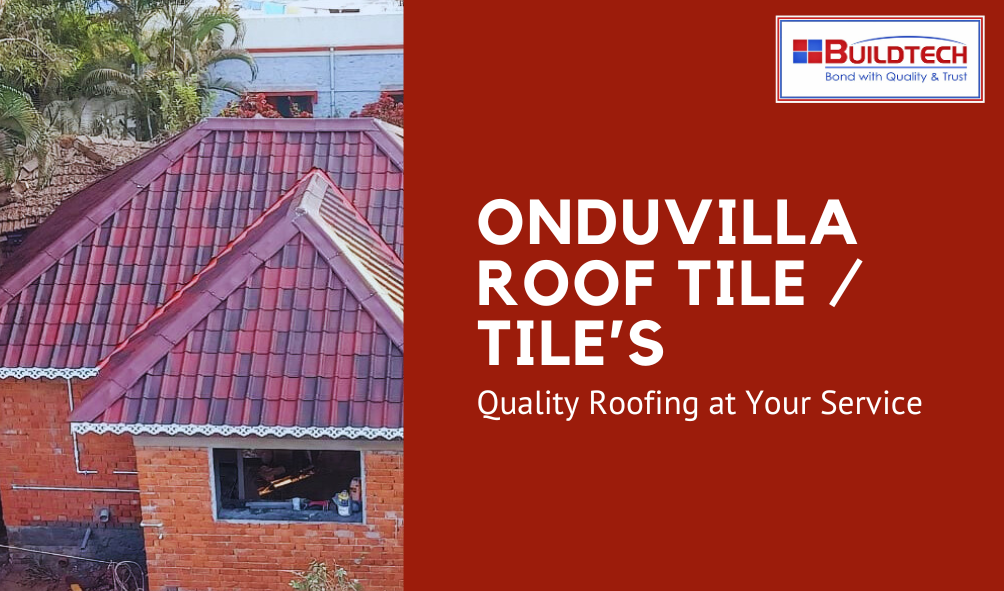
A Comprehensive Guide for Industrial, Residential, and Small Business Owners Roof. Introduction In the world of roofing solutions, Onduvilla roofing systems have gained popularity for their innovative design and practicality. These systems, made from Onduline, offer a unique combination of durability, aesthetics, and ease of installation. This article will explore Onduvilla roofing systems in depth, discussing their features, benefits, applications, and considerations for industrial, residential, and small business owners. Understanding Onduvilla Roofing Systems Onduvilla roofing systems are a type of roofing solution made from Onduline, a lightweight and durable material composed of bitumen and cellulose fibres. Onduvilla tiles mimic traditional clay or slate tiles while offering the benefits of modern materials. The roofing system features a distinctive curved shape, enhancing its aesthetic appeal and improving water drainage. Key Components of Onduvilla Roofing Systems Benefits of Onduvilla Roofing Systems 1. Durability One of the standout features of Onduvilla roofing systems is their durability. Made from high-quality materials, these roofing systems can withstand harsh weather conditions, including heavy rain, strong winds, and extreme temperatures. The bitumen composition provides excellent resistance to UV rays, preventing degradation over time. 2. Lightweight Onduvilla tiles are significantly lighter than traditional roofing materials such as clay or slate. This lightweight nature makes them easier to transport and install, reducing labour costs and installation time. Additionally, the reduced weight places less stress on the underlying structure, making it suitable for various building types. 3. Aesthetic Appeal The unique design of Onduvilla tiles allows property owners to achieve the look of traditional roofing materials without the associated drawbacks. The tiles are available in multiple colours and finishes, enabling customization to match the architectural style of any building. This aesthetic versatility makes Onduvilla roofing systems popular for residential and commercial applications. 4. Easy Installation Onduvilla roofing systems are designed for straightforward installation. The interlocking design of the tiles allows for quick assembly, minimizing the need for specialized tools or extensive labour. This ease of installation can lead to significant cost savings for property owners and contractors. 5. Eco-Friendly Onduline, the material used in Onduvilla roofing systems, is made from renewable resources, making it an environmentally friendly choice. Additionally, the lightweight nature of the tiles reduces the carbon footprint associated with transportation and installation. 6. Excellent Waterproofing The bitumen composition of Onduvilla tiles provides exceptional waterproofing capabilities. The interlocking design ensures that water does not penetrate the roofing system, protecting the underlying structure from moisture damage. This feature is particularly beneficial in areas prone to heavy rainfall or snow. 7. Thermal Insulation Onduvilla roofing systems offer good thermal insulation properties, helping to regulate indoor temperatures and reduce energy costs. By minimizing heat transfer, these roofing systems can contribute to a more comfortable living or working environment.

What is Onduvilla Roofing Systems? Read More »

Is Steel Deck Durable?

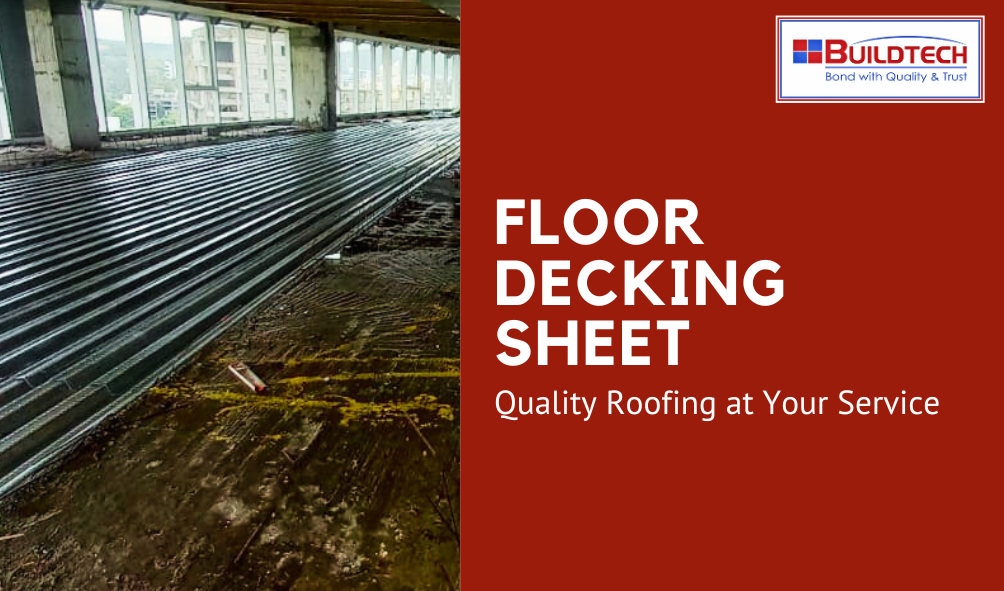
A Comprehensive Guide for Industrial, Residential, and Small Business Owners Introduction When it comes to construction materials, durability is one of the most critical factors to consider. Steel decking has become increasingly popular in various applications, from residential homes to industrial buildings and small businesses. This article will explore the durability of steel deck systems, focusing on different types of decking sheets, their applications, and their benefits for industrial, residential, and small business owners. Understanding Steel Decking What is Steel Decking? Steel decking refers to a series of metal sheets, typically made from galvanized or cold-rolled steel, that are used as a structural component in floors and roofs. These decking sheets provide a strong, stable platform that supports the weight of the structure while allowing for efficient construction. Types of Steel Decking Sheets Durability of Steel Decking Material Strength and Resistance Steel decking is known for its exceptional strength and resistance to various environmental factors. Key aspects of its durability include: Longevity of Steel Decking Steel decking is designed for longevity, often lasting several decades with proper maintenance. Factors that contribute to its long lifespan include: Applications of Steel Decking Industrial Applications In industrial settings, steel decking is used extensively for floors and roofs due to its strength and durability. Applications include: Residential Applications Homeowners are increasingly choosing steel decking for various applications, including: Small Business Applications Small business owners can benefit from steel decking in several ways:

Is Steel Deck Durable? Read More »

Are All Ridge Vents the Same?

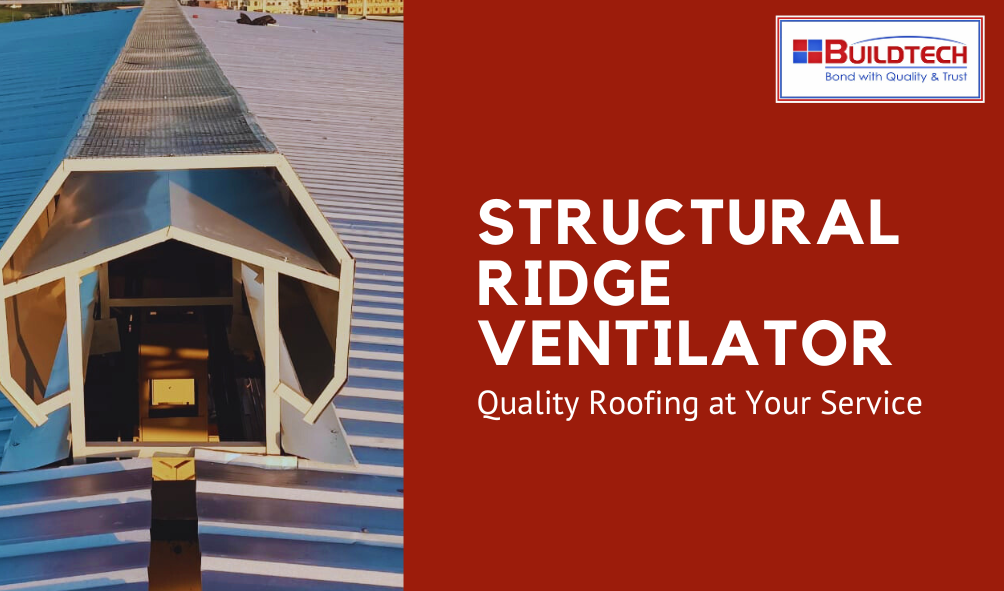
Are All Ridge Ventilators the Same? A Complete Guide for Industrial, Residential, and Small Business Owners Introduction Ridge ventilators play a critical role in maintaining healthy, energy-efficient roofing systems across residential, commercial, and industrial buildings. By allowing hot and moisture-laden air to escape from roof spaces, ridge ventilators help regulate indoor temperatures, protect roofing materials, and improve overall building performance. However, despite serving a common purpose, not all ridge ventilators are the same. Different designs, materials, and airflow capacities make each type suitable for specific applications. Therefore, understanding these differences is essential for property owners who want reliable, long-term ventilation solutions. This guide explains the types of ridge ventilators available, their benefits, and how to choose the right option for your building. What Are Ridge Ventilators? Ridge ventilators are passive roof ventilation systems installed along the ridge line of a roof. Their primary function is to release warm, moist air from the attic or roof space while preventing rain, dust, insects, and debris from entering the building. Because ridge ventilators operate without electricity, they provide continuous ventilation throughout the year. Additionally, a protective weather cap ensures airflow while shielding the roof from harsh environmental conditions. As a result, ridge ventilators form a vital component of a balanced roof ventilation system. Types of Ridge Ventilators Standard Ridge Ventilators Standard ridge ventilators are commonly used in residential construction. They run continuously along the roof ridge, allowing uniform airflow. Moreover, they are compatible with most roof types and are typically manufactured from durable materials such as metal or high-grade polymers. Industrial Ridge Ventilators Industrial ridge ventilators are designed for factories, warehouses, and manufacturing facilities. Since these spaces generate high heat levels, industrial ridge ventilators offer significantly higher airflow capacity. In addition, their reinforced construction enables them to withstand heavy usage and extreme weather conditions. Structural Ridge Ventilators Structural ridge ventilators are integrated into the roof structure itself. Consequently, they provide both ventilation and added structural stability. These ventilators are widely used in large commercial, agricultural, and industrial buildings where strength and durability are essential. Low-Profile Ridge Ventilators Low-profile ridge ventilators sit closer to the roof surface, creating a sleek and unobtrusive appearance. Therefore, they are ideal for residential and commercial buildings where aesthetics are a priority without compromising ventilation efficiency. Wind-Driven Ridge Ventilators Wind-driven ridge ventilators use natural wind movement to enhance airflow. As a result, they are especially effective in locations with consistent wind patterns and help improve ventilation without mechanical assistance. Benefits of Ridge Ventilators Improved Ventilation First and foremost, ridge ventilators allow trapped heat and moisture to escape from roof spaces. This process helps maintain stable indoor temperatures and improves overall air quality. Enhanced Energy Efficiency By reducing heat buildup, ridge ventilators lower the reliance on air conditioning systems. Consequently, property owners can experience reduced energy consumption and lower utility costs over time. Effective Moisture Control Excess moisture can lead to mould growth, corrosion, and structural damage. Ridge ventilators minimise these risks by promoting continuous air circulation, which is especially important for industrial environments housing sensitive equipment. Extended Roof Lifespan Proper ventilation prevents overheating and moisture accumulation. Therefore, ridge ventilators help protect roofing materials, reduce maintenance needs, and extend the overall lifespan of the roof. Improved Visual Appeal Modern ridge ventilators are designed to blend seamlessly with the roofline. As a result, they enhance functionality without compromising architectural aesthetics. Applications of Ridge Ventilators Residential Applications In homes, ridge ventilators improve attic ventilation, regulate indoor temperatures, and reduce moisture-related problems. Homeowners can select designs that match the roof while ensuring efficient performance. Industrial Applications Industrial ridge ventilators are essential for factories, warehouses, and production units. They manage high heat loads, improve worker comfort, and support equipment efficiency through effective ventilation. Small Business Applications Retail spaces, offices, and workshops benefit from ridge ventilators by maintaining comfortable indoor conditions and reducing energy expenses. Consequently, small businesses achieve better operational efficiency. Key Factors That Differentiate Ridge Ventilators Airflow Capacity Industrial ridge ventilators handle significantly higher air volumes than residential models. Therefore, airflow requirements should always guide selection. Material Quality Ridge ventilators are manufactured from metal, aluminium, or composite materials. Metal ridge ventilators, in particular, offer superior durability in demanding environments. Design and Appearance From low-profile to structural designs, ridge ventilators vary in appearance. Selecting the right design ensures both performance and visual harmony. Installation Requirements While standard ridge ventilators are relatively simple to install, industrial and structural ridge ventilators often require professional installation for optimal results. Cost Considerations Although industrial ridge ventilators involve higher initial investment, their long-term energy savings and durability often deliver better overall value. Choosing the Right Ridge Ventilator When selecting ridge ventilators, property owners should consider: By evaluating these factors, owners can select ridge ventilators that deliver reliable and efficient performance. Installation and Maintenance Proper installation ensures maximum ventilation efficiency. Therefore, professional installation is recommended, especially for industrial ridge ventilators. In addition, regular inspections and cleaning help prevent blockages and ensure long-term functionality. With routine maintenance, ridge ventilators continue to perform effectively for years. Conclusion In conclusion, all ridge ventilators are not the same. Differences in design, capacity, materials, and application significantly impact performance. By understanding these distinctions, industrial, residential, and small business owners can make informed decisions that enhance ventilation, energy efficiency, and roof durability. Choosing the right ridge ventilator, combined with professional installation and regular maintenance, ensures long-lasting benefits and optimal building performance. Contact us today for expert guidance on ridge ventilators and customised roof ventilation solutions.

Are All Ridge Vents the Same? Read More »

©2023 buildtechroof. All Rights Reserved.