
Are All Ridge Ventilators the Same? A Complete Guide for Industrial, Residential, and Small Business Owners
Introduction
Ridge ventilators play a critical role in maintaining healthy, energy-efficient roofing systems across residential, commercial, and industrial buildings. By allowing hot and moisture-laden air to escape from roof spaces, ridge ventilators help regulate indoor temperatures, protect roofing materials, and improve overall building performance.
However, despite serving a common purpose, not all ridge ventilators are the same. Different designs, materials, and airflow capacities make each type suitable for specific applications. Therefore, understanding these differences is essential for property owners who want reliable, long-term ventilation solutions.
This guide explains the types of ridge ventilators available, their benefits, and how to choose the right option for your building.
What Are Ridge Ventilators?
Ridge ventilators are passive roof ventilation systems installed along the ridge line of a roof. Their primary function is to release warm, moist air from the attic or roof space while preventing rain, dust, insects, and debris from entering the building.
Because ridge ventilators operate without electricity, they provide continuous ventilation throughout the year. Additionally, a protective weather cap ensures airflow while shielding the roof from harsh environmental conditions. As a result, ridge ventilators form a vital component of a balanced roof ventilation system.
Types of Ridge Ventilators
Standard Ridge Ventilators
Standard ridge ventilators are commonly used in residential construction. They run continuously along the roof ridge, allowing uniform airflow. Moreover, they are compatible with most roof types and are typically manufactured from durable materials such as metal or high-grade polymers.
Industrial Ridge Ventilators
Industrial ridge ventilators are designed for factories, warehouses, and manufacturing facilities. Since these spaces generate high heat levels, industrial ridge ventilators offer significantly higher airflow capacity. In addition, their reinforced construction enables them to withstand heavy usage and extreme weather conditions.
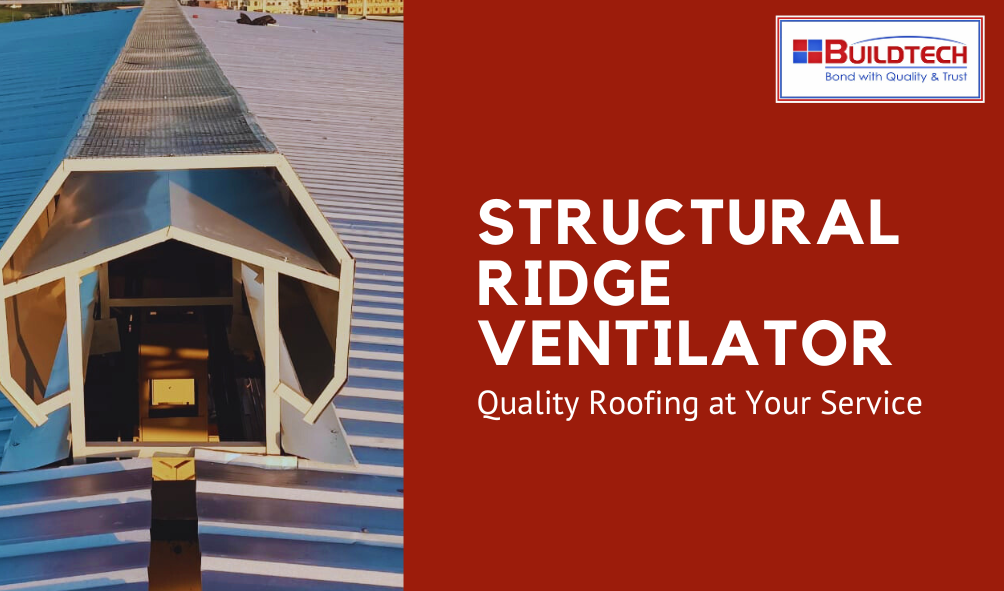
Structural Ridge Ventilators
Structural ridge ventilators are integrated into the roof structure itself. Consequently, they provide both ventilation and added structural stability. These ventilators are widely used in large commercial, agricultural, and industrial buildings where strength and durability are essential.
Low-Profile Ridge Ventilators
Low-profile ridge ventilators sit closer to the roof surface, creating a sleek and unobtrusive appearance. Therefore, they are ideal for residential and commercial buildings where aesthetics are a priority without compromising ventilation efficiency.
Wind-Driven Ridge Ventilators
Wind-driven ridge ventilators use natural wind movement to enhance airflow. As a result, they are especially effective in locations with consistent wind patterns and help improve ventilation without mechanical assistance.
Benefits of Ridge Ventilators
Improved Ventilation
First and foremost, ridge ventilators allow trapped heat and moisture to escape from roof spaces. This process helps maintain stable indoor temperatures and improves overall air quality.
Enhanced Energy Efficiency
By reducing heat buildup, ridge ventilators lower the reliance on air conditioning systems. Consequently, property owners can experience reduced energy consumption and lower utility costs over time.
Effective Moisture Control
Excess moisture can lead to mould growth, corrosion, and structural damage. Ridge ventilators minimise these risks by promoting continuous air circulation, which is especially important for industrial environments housing sensitive equipment.
Extended Roof Lifespan
Proper ventilation prevents overheating and moisture accumulation. Therefore, ridge ventilators help protect roofing materials, reduce maintenance needs, and extend the overall lifespan of the roof.
Improved Visual Appeal
Modern ridge ventilators are designed to blend seamlessly with the roofline. As a result, they enhance functionality without compromising architectural aesthetics.
Applications of Ridge Ventilators
Residential Applications
In homes, ridge ventilators improve attic ventilation, regulate indoor temperatures, and reduce moisture-related problems. Homeowners can select designs that match the roof while ensuring efficient performance.
Industrial Applications
Industrial ridge ventilators are essential for factories, warehouses, and production units. They manage high heat loads, improve worker comfort, and support equipment efficiency through effective ventilation.
Small Business Applications
Retail spaces, offices, and workshops benefit from ridge ventilators by maintaining comfortable indoor conditions and reducing energy expenses. Consequently, small businesses achieve better operational efficiency.
Key Factors That Differentiate Ridge Ventilators
Airflow Capacity
Industrial ridge ventilators handle significantly higher air volumes than residential models. Therefore, airflow requirements should always guide selection.
Material Quality
Ridge ventilators are manufactured from metal, aluminium, or composite materials. Metal ridge ventilators, in particular, offer superior durability in demanding environments.
Design and Appearance
From low-profile to structural designs, ridge ventilators vary in appearance. Selecting the right design ensures both performance and visual harmony.
Installation Requirements
While standard ridge ventilators are relatively simple to install, industrial and structural ridge ventilators often require professional installation for optimal results.
Cost Considerations
Although industrial ridge ventilators involve higher initial investment, their long-term energy savings and durability often deliver better overall value.
Choosing the Right Ridge Ventilator
When selecting ridge ventilators, property owners should consider:
- Building type and size
- Local climate conditions
- Ventilation and airflow needs
- Aesthetic preferences
- Budget and long-term efficiency
By evaluating these factors, owners can select ridge ventilators that deliver reliable and efficient performance.
Installation and Maintenance
Proper installation ensures maximum ventilation efficiency. Therefore, professional installation is recommended, especially for industrial ridge ventilators.
In addition, regular inspections and cleaning help prevent blockages and ensure long-term functionality. With routine maintenance, ridge ventilators continue to perform effectively for years.
Conclusion
In conclusion, all ridge ventilators are not the same. Differences in design, capacity, materials, and application significantly impact performance. By understanding these distinctions, industrial, residential, and small business owners can make informed decisions that enhance ventilation, energy efficiency, and roof durability.
Choosing the right ridge ventilator, combined with professional installation and regular maintenance, ensures long-lasting benefits and optimal building performance.
Contact us today for expert guidance on ridge ventilators and customised roof ventilation solutions.
Pingback: What is a ridge ventilation system? - Roofing Agency