
Should I Replace My Current Roof Vents with a Ridge Vent?
Introduction
Roof ventilation is a crucial aspect of maintaining the integrity and efficiency of any building, whether industrial, residential, or commercial. The choice of roof vent can significantly impact energy efficiency, moisture control, and overall indoor comfort. One popular option is the ridge vent, which has garnered attention for its effectiveness in promoting airflow and reducing heat buildup. This article will explore the benefits, considerations, and applications of ridge vents, helping industrial, residential, and small business owners make informed decisions about their roof ventilation systems.
Understanding Roof Ventilation
The Importance of Roof Ventilation
Effective roof ventilation is essential for several reasons:
- Temperature Regulation: Proper ventilation helps maintain a consistent temperature in the attic, reducing the load on heating and cooling systems.
- Moisture Control: Ventilation prevents moisture buildup, which can lead to mould growth, wood rot, and damage to insulation.
- Energy Efficiency: By facilitating better airflow, roof vents can enhance energy efficiency, leading to lower utility bills.
- Roof Longevity: Adequate ventilation can extend the lifespan of roofing materials by preventing heat and moisture-related damage.
Types of Roof Vents
There are several types of roof vents, each with its advantages and applications:
- Static Vents: These vents rely on natural airflow and do not have moving parts. They can be installed in various locations on the roof.
- Power Vents: These mechanical vents use fans to force air out of the attic, providing more aggressive ventilation.
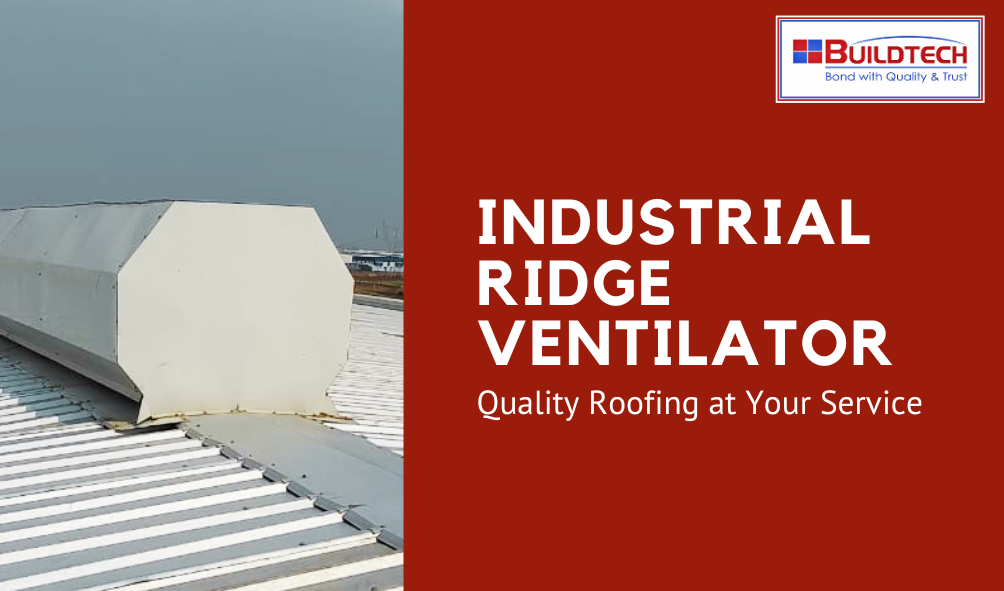
- Ridge Vents: Installed along the peak of the roof, ridge vents allow hot air to escape while drawing in cooler air from soffit vents.
- Turbine Vents: These vents use wind power to spin and create airflow, enhancing ventilation without electricity.
What is a Ridge Vent?
Definition and Function
A ridge vent is a continuous vent installed at the ridge or peak of a sloped roof. It works by allowing hot air to escape from the attic while drawing in cooler air from lower vents, such as soffit vents. This natural airflow helps regulate attic temperatures and reduces the risk of moisture accumulation.
Types of Ridge Vents
- Ridge Ventilators: These are designed for industrial applications, often featuring robust construction to withstand harsh environments.
- Structural Ridge Ventilators: These combine the functions of a structural component and ventilation, providing both support and airflow.
Benefits of Ridge Vents
Enhanced Airflow
Ridge vents provide a continuous opening along the roof’s peak, allowing for more effective airflow compared to traditional roof vents. This design promotes better ventilation and helps maintain a balanced air exchange.
Energy Efficiency
By reducing heat buildup in the attic, ridge vents can lower energy costs associated with air conditioning and heating. This is particularly beneficial for industrial buildings with large, unconditioned spaces.
Moisture Control
Ridge vents help prevent moisture-related issues by allowing humid air to escape. This is critical in climates with high humidity or during warm months when moisture can accumulate in the attic.
Aesthetic Appeal
Ridge vents can be less obtrusive than other vent types, blending seamlessly with the roofline. This aesthetic advantage makes them a popular choice for residential and commercial applications.
Low Maintenance
Ridge vents require minimal maintenance compared to other vent types. Once installed, they typically do not need regular adjustments or replacements, making them a cost-effective choice over time.
Considerations for Replacing Roof Vents with Ridge Vents
Compatibility with Existing Roof Structure
Before replacing current roof vents with ridge vents, it is essential to assess the compatibility with the existing roof structure. Ridge vents require a peak, and not all roofs are designed to accommodate them.
Installation Process
Installing ridge vents involves cutting into the roof and ensuring proper sealing to prevent leaks. It is advisable to hire a professional contractor experienced in ridge vent installation to ensure a proper fit and function.
Local Climate Conditions
The effectiveness of ridge vents can vary based on local climate conditions. In areas with high snowfall, for example, it is essential to consider how ridge vents will perform in winter conditions.
Cost Considerations
While ridge vents can offer long-term savings in energy costs, the initial installation may involve higher upfront costs compared to traditional roof vents. Property owners should weigh these costs against the potential benefits.
Building Codes and Regulations
Before making any changes to roof ventilation systems, it is crucial to check local building codes and regulations. Compliance ensures that the installation meets safety and performance standards.
Applications of Ridge Vents
Industrial Applications
In industrial settings, ridge ventilators are often used in warehouses, manufacturing facilities, and distribution centers. Their ability to promote airflow in large spaces helps maintain optimal working conditions and protect equipment.
Residential Applications
Homeowners can benefit from ridge vents in attics and garages, improving indoor air quality and energy efficiency. Ridge vents are particularly advantageous in homes with steeply pitched roofs.
Small Business Applications
Small business owners can enhance their commercial properties with ridge vents, ensuring a comfortable environment for employees and customers. Ridge vents can be installed in retail spaces, offices, and workshops to improve ventilation.
Conclusion
Replacing current roof vents with ridge vents can be a wise decision for industrial, residential, and small business owners seeking improved ventilation, energy efficiency, and moisture control. Ridge vents offer numerous benefits, including enhanced airflow, low maintenance, and aesthetic appeal. However, property owners must consider compatibility with existing structures, installation processes, local climate conditions, and cost implications before making the switch. By understanding the advantages and considerations associated with ridge vents, individuals can make informed choices that contribute to the longevity and efficiency of their buildings.
So, contact us if you need product advice or want to discuss your project requirements.
#factory #supplier #performance #order #quality #weatherproof #india #productions #thickness #avilablenow #manufacturing #Ridge Vent #Metal Ridge Ventilation System #Roof Ventilation #ridgeventilators #structuralridgeventilator #ridgevent