Ridge ventilators

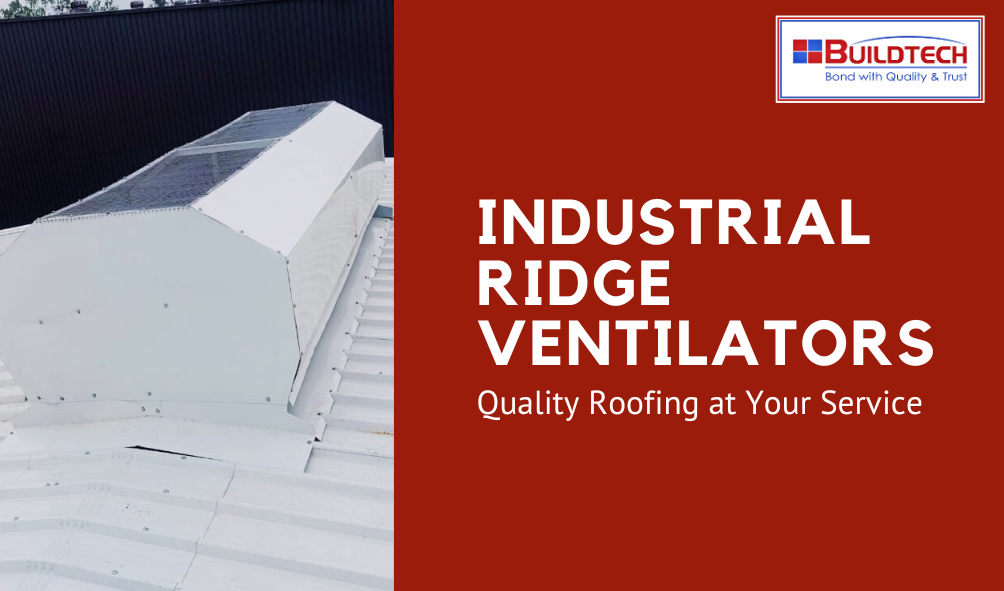
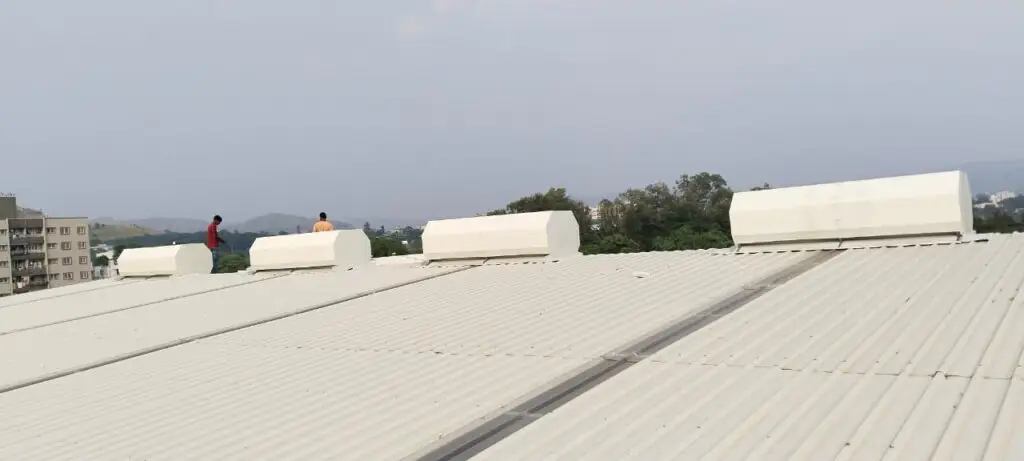
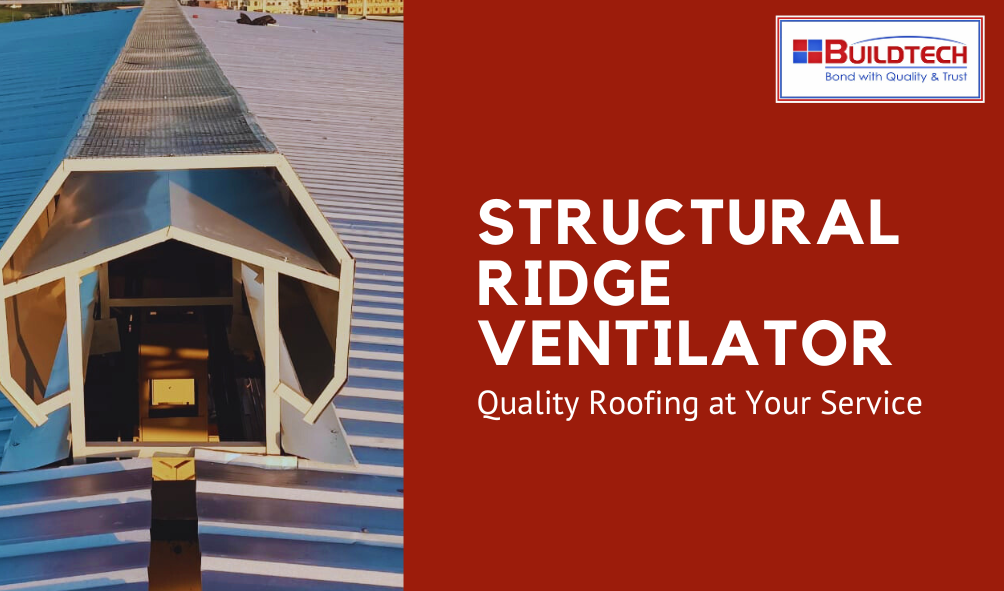
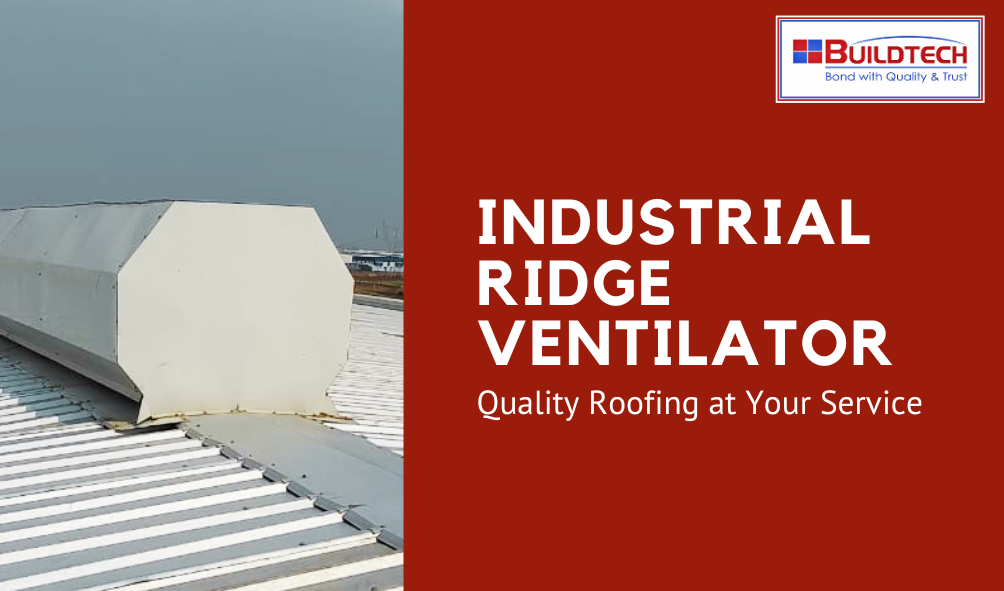
We rank among the top manufacturers, traders, and suppliers of Ridge Ventilators. Our vents, installed on sloped roofs, effectively eliminate warm air from the building’s attic. Our skilled professionals manufacture these ridge vents using high-quality materials and advanced technology. We offer a range of products, including Industrial Ridge Vents, Structural Ridge Vents, Aluminium Automatic Industrial Ridge Vents, Roof Ridge Ventilators, Stainless Steel Industrial Ridge Ventilation Systems, and Steel Ridge Ventilation Systems in Maharashtra, India.

Are All Ridge Vents the Same?

Are All Ridge Ventilators the Same? A Complete Guide for Industrial, Residential, and Small Business Owners Introduction Ridge ventilators play a critical role in maintaining healthy, energy-efficient roofing systems across residential, commercial, and industrial buildings. By allowing hot and moisture-laden air to escape from roof spaces, ridge ventilators help regulate indoor temperatures, protect roofing materials, and improve overall building performance. However, despite serving a common purpose, not all ridge ventilators are the same. Different designs, materials, and airflow capacities make each type suitable for specific applications. Therefore, understanding these differences is essential for property owners who want reliable, long-term ventilation solutions. This guide explains the types of ridge ventilators available, their benefits, and how to choose the right option for your building. What Are Ridge Ventilators? Ridge ventilators are passive roof ventilation systems installed along the ridge line of a roof. Their primary function is to release warm, moist air from the attic or roof space while preventing rain, dust, insects, and debris from entering the building. Because ridge ventilators operate without electricity, they provide continuous ventilation throughout the year. Additionally, a protective weather cap ensures airflow while shielding the roof from harsh environmental conditions. As a result, ridge ventilators form a vital component of a balanced roof ventilation system. Types of Ridge Ventilators Standard Ridge Ventilators Standard ridge ventilators are commonly used in residential construction. They run continuously along the roof ridge, allowing uniform airflow. Moreover, they are compatible with most roof types and are typically manufactured from durable materials such as metal or high-grade polymers. Industrial Ridge Ventilators Industrial ridge ventilators are designed for factories, warehouses, and manufacturing facilities. Since these spaces generate high heat levels, industrial ridge ventilators offer significantly higher airflow capacity. In addition, their reinforced construction enables them to withstand heavy usage and extreme weather conditions. Structural Ridge Ventilators Structural ridge ventilators are integrated into the roof structure itself. Consequently, they provide both ventilation and added structural stability. These ventilators are widely used in large commercial, agricultural, and industrial buildings where strength and durability are essential. Low-Profile Ridge Ventilators Low-profile ridge ventilators sit closer to the roof surface, creating a sleek and unobtrusive appearance. Therefore, they are ideal for residential and commercial buildings where aesthetics are a priority without compromising ventilation efficiency. Wind-Driven Ridge Ventilators Wind-driven ridge ventilators use natural wind movement to enhance airflow. As a result, they are especially effective in locations with consistent wind patterns and help improve ventilation without mechanical assistance. Benefits of Ridge Ventilators Improved Ventilation First and foremost, ridge ventilators allow trapped heat and moisture to escape from roof spaces. This process helps maintain stable indoor temperatures and improves overall air quality. Enhanced Energy Efficiency By reducing heat buildup, ridge ventilators lower the reliance on air conditioning systems. Consequently, property owners can experience reduced energy consumption and lower utility costs over time. Effective Moisture Control Excess moisture can lead to mould growth, corrosion, and structural damage. Ridge ventilators minimise these risks by promoting continuous air circulation, which is especially important for industrial environments housing sensitive equipment. Extended Roof Lifespan Proper ventilation prevents overheating and moisture accumulation. Therefore, ridge ventilators help protect roofing materials, reduce maintenance needs, and extend the overall lifespan of the roof. Improved Visual Appeal Modern ridge ventilators are designed to blend seamlessly with the roofline. As a result, they enhance functionality without compromising architectural aesthetics. Applications of Ridge Ventilators Residential Applications In homes, ridge ventilators improve attic ventilation, regulate indoor temperatures, and reduce moisture-related problems. Homeowners can select designs that match the roof while ensuring efficient performance. Industrial Applications Industrial ridge ventilators are essential for factories, warehouses, and production units. They manage high heat loads, improve worker comfort, and support equipment efficiency through effective ventilation. Small Business Applications Retail spaces, offices, and workshops benefit from ridge ventilators by maintaining comfortable indoor conditions and reducing energy expenses. Consequently, small businesses achieve better operational efficiency. Key Factors That Differentiate Ridge Ventilators Airflow Capacity Industrial ridge ventilators handle significantly higher air volumes than residential models. Therefore, airflow requirements should always guide selection. Material Quality Ridge ventilators are manufactured from metal, aluminium, or composite materials. Metal ridge ventilators, in particular, offer superior durability in demanding environments. Design and Appearance From low-profile to structural designs, ridge ventilators vary in appearance. Selecting the right design ensures both performance and visual harmony. Installation Requirements While standard ridge ventilators are relatively simple to install, industrial and structural ridge ventilators often require professional installation for optimal results. Cost Considerations Although industrial ridge ventilators involve higher initial investment, their long-term energy savings and durability often deliver better overall value. Choosing the Right Ridge Ventilator When selecting ridge ventilators, property owners should consider: By evaluating these factors, owners can select ridge ventilators that deliver reliable and efficient performance. Installation and Maintenance Proper installation ensures maximum ventilation efficiency. Therefore, professional installation is recommended, especially for industrial ridge ventilators. In addition, regular inspections and cleaning help prevent blockages and ensure long-term functionality. With routine maintenance, ridge ventilators continue to perform effectively for years. Conclusion In conclusion, all ridge ventilators are not the same. Differences in design, capacity, materials, and application significantly impact performance. By understanding these distinctions, industrial, residential, and small business owners can make informed decisions that enhance ventilation, energy efficiency, and roof durability. Choosing the right ridge ventilator, combined with professional installation and regular maintenance, ensures long-lasting benefits and optimal building performance. Contact us today for expert guidance on ridge ventilators and customised roof ventilation solutions.

Are All Ridge Vents the Same? Read More »
Should I Replace My Current Roof Vents with a Ridge Vent?

Should I Replace My Current Roof Vents with a Ridge Vent? Introduction Roof ventilation is a crucial aspect of maintaining the integrity and efficiency of any building, whether industrial, residential, or commercial. The choice of roof vent can significantly impact energy efficiency, moisture control, and overall indoor comfort. One popular option is the ridge vent, which has garnered attention for its effectiveness in promoting airflow and reducing heat buildup. This article will explore the benefits, considerations, and applications of ridge vents, helping industrial, residential, and small business owners make informed decisions about their roof ventilation systems. Understanding Roof Ventilation The Importance of Roof Ventilation Effective roof ventilation is essential for several reasons: Types of Roof Vents There are several types of roof vents, each with its advantages and applications: What is a Ridge Vent? Definition and Function A ridge vent is a continuous vent installed at the ridge or peak of a sloped roof. It works by allowing hot air to escape from the attic while drawing in cooler air from lower vents, such as soffit vents. This natural airflow helps regulate attic temperatures and reduces the risk of moisture accumulation. Types of Ridge Vents Benefits of Ridge Vents Enhanced Airflow Ridge vents provide a continuous opening along the roof’s peak, allowing for more effective airflow compared to traditional roof vents. This design promotes better ventilation and helps maintain a balanced air exchange. Energy Efficiency By reducing heat buildup in the attic, ridge vents can lower energy costs associated with air conditioning and heating. This is particularly beneficial for industrial buildings with large, unconditioned spaces. Moisture Control Ridge vents help prevent moisture-related issues by allowing humid air to escape. This is critical in climates with high humidity or during warm months when moisture can accumulate in the attic. Aesthetic Appeal Ridge vents can be less obtrusive than other vent types, blending seamlessly with the roofline. This aesthetic advantage makes them a popular choice for residential and commercial applications. Low Maintenance Ridge vents require minimal maintenance compared to other vent types. Once installed, they typically do not need regular adjustments or replacements, making them a cost-effective choice over time. Considerations for Replacing Roof Vents with Ridge Vents Compatibility with Existing Roof Structure Before replacing current roof vents with ridge vents, it is essential to assess the compatibility with the existing roof structure. Ridge vents require a peak, and not all roofs are designed to accommodate them. Installation Process Installing ridge vents involves cutting into the roof and ensuring proper sealing to prevent leaks. It is advisable to hire a professional contractor experienced in ridge vent installation to ensure a proper fit and function. Local Climate Conditions The effectiveness of ridge vents can vary based on local climate conditions. In areas with high snowfall, for example, it is essential to consider how ridge vents will perform in winter conditions. Cost Considerations While ridge vents can offer long-term savings in energy costs, the initial installation may involve higher upfront costs compared to traditional roof vents. Property owners should weigh these costs against the potential benefits. Building Codes and Regulations Before making any changes to roof ventilation systems, it is crucial to check local building codes and regulations. Compliance ensures that the installation meets safety and performance standards. Applications of Ridge Vents Industrial Applications In industrial settings, ridge ventilators are often used in warehouses, manufacturing facilities, and distribution centers. Their ability to promote airflow in large spaces helps maintain optimal working conditions and protect equipment. Residential Applications Homeowners can benefit from ridge vents in attics and garages, improving indoor air quality and energy efficiency. Ridge vents are particularly advantageous in homes with steeply pitched roofs. Small Business Applications Small business owners can enhance their commercial properties with ridge vents, ensuring a comfortable environment for employees and customers. Ridge vents can be installed in retail spaces, offices, and workshops to improve ventilation. Conclusion Replacing current roof vents with ridge vents can be a wise decision for industrial, residential, and small business owners seeking improved ventilation, energy efficiency, and moisture control. Ridge vents offer numerous benefits, including enhanced airflow, low maintenance, and aesthetic appeal. However, property owners must consider compatibility with existing structures, installation processes, local climate conditions, and cost implications before making the switch. By understanding the advantages and considerations associated with ridge vents, individuals can make informed choices that contribute to the longevity and efficiency of their buildings. So, contact us if you need product advice or want to discuss your project requirements.  #factory #supplier #performance #order #quality #weatherproof #india  #productions #thickness #avilablenow #manufacturing #Ridge Vent #Metal Ridge Ventilation System #Roof Ventilation #ridgeventilators #structuralridgeventilator #ridgevent

Should I Replace My Current Roof Vents with a Ridge Vent? Read More »

Understanding Ridge Ventilation Systems

Understanding Ridge Ventilation Systems: A Comprehensive Guide Ridge ventilation systems are essential components in the architecture of roofs, providing a natural method for air circulation and temperature regulation. This article aims to give business, industrial, and residential owners a thorough understanding of ridge ventilation systems, their components, benefits, and installation considerations. What is a Ridge Ventilation System? A ridge ventilation system is a passive ventilation solution that is installed at the peak of a roof. It allows hot air to escape from the attic or roof space, promoting a cooler environment within the building. This system works in conjunction with other ventilation components, such as soffit vents, to create a balanced airflow that helps maintain optimal indoor conditions. Components of a Ridge Ventilation System Benefits of Ridge Ventilation Systems Ridge ventilation systems offer several advantages for business, industrial, and residential owners: 1. Improved Indoor Air Quality By allowing stale and humid air to escape, ridge ventilators help maintain a healthier indoor environment. This is particularly important in industrial settings where air quality can significantly impact worker health and productivity. 2. Energy Efficiency A well-ventilated building requires less energy for heating and cooling. Ridge ventilation systems can reduce reliance on air conditioning, leading to lower energy bills and a reduced carbon footprint. 3. Prolonged Roof Lifespan Excess heat and moisture can lead to roof damage over time. By facilitating proper ventilation, ridge ventilators help prevent issues such as mould growth, rot, and premature aging of roofing materials. 4. Enhanced Comfort In residential settings, effective ventilation contributes to a more comfortable living environment by regulating temperature and humidity levels, especially during hot summer months. Types of Ridge Ventilators There are various types of ridge ventilators available on the market, each designed to cater to specific needs: 1. Static Ridge Ventilators These are the most common type, relying solely on natural convection to expel hot air. They are ideal for residential roofs and low-traffic industrial buildings. 2. Powered Ridge Ventilators These ventilators use electric fans to enhance airflow, making them suitable for larger industrial spaces where passive ventilation may not suffice. 3. Low-Profile Ridge Ventilators Designed to blend seamlessly with the roofline, low-profile options are aesthetically pleasing and effective, making them a favorite for residential applications.

Understanding Ridge Ventilation Systems Read More »

Understanding the Basic Types of Metal Ridge Ventilation Systems

Understanding the Basic Types of Metal Ridge Ventilation Systems As an entrepreneur in the construction or building materials industry, it’s essential to understand the various systems that can enhance building performance. One such system is the metal ridge ventilation system, which plays a crucial role in maintaining proper airflow and temperature regulation in buildings. This blog post will outline the basic types of metal ridge ventilation systems, helping you make informed decisions for your projects. What is Ridge Ventilation? Ridge ventilation is a passive ventilation system installed at the peak of a roof. It allows hot air to escape from the attic space, promoting better airflow and reducing moisture buildup. This is particularly important in preventing issues like mould growth and roof damage. Metal ridge vents are popular for their durability and effectiveness, making them a preferred choice for many builders and homeowners. 1. Continuous Ridge Ventilator The continuous ridge vent is one of the most common types of ridge ventilation systems. It runs the entire length of the roof ridge and provides consistent airflow throughout the attic space. This system is designed to work with soffit vents, creating balanced airflow that helps regulate temperature and humidity levels. Advantages: 2. Box Ridge Ventilator Box ridge vents are discrete ventilation units that are installed at intervals along the roof ridge instead of running continuously. These vents can be a good choice for roofs with complex designs or various slopes. Each box unit acts independently to allow hot air to escape, promoting ventilation in specific areas of the roof. Advantages: 3. Turbine Ridge Ventilator Turbine ridge vents incorporate a rotating mechanism that enhances airflow through the roof. As the wind blows across the turbine, it spins and creates a vacuum effect, drawing warm air out of the attic. This type of ventilation is especially effective in areas with consistent wind patterns. Advantages:

Understanding the Basic Types of Metal Ridge Ventilation Systems Read More »

Ridge Vents Systems vs. Traditional Roof Vents:

Ridge Ventilation Systems vs. Traditional Roof Vents: Which is the Better Choice? Introduction When it comes to selecting the appropriate ventilation system for your roof, choosing between ridge ventilation systems and traditional roof vents can pose a challenge. Each option comes with its own set of advantages and disadvantages, but determining which is the superior choice for your home is essential. In this blog post, we will conduct a comprehensive comparison of ridge ventilation systems and traditional roof vents to assist you in making an informed decision Ridge Ventilation Systems Traditional Roof Vents Comparison Which is the Better Choice? Factors to consider when selecting between ridge ventilation systems and traditional roof vents Recommendations based on specific roof types and climates Case studies and real-life examples

Ridge Vents Systems vs. Traditional Roof Vents: Read More »

The Benefits of Using Industrial Ridge Ventilators

The Benefits of Using Colour Coated Metal Industrial Ridge Ventilators Colour coated metal industrial ridge ventilators are an essential component of any industrial building. They offer numerous benefits, including improved air circulation, energy efficiency, and durability. In this article, we will explore these advantages in detail. Improved Air Circulation One of the primary benefits of using colour coated metal industrial ridge ventilators is the improved air circulation they provide. These ventilators are designed to exhaust hot air and moisture from the building, creating a more comfortable and productive working environment. By removing stale air and replacing it with fresh air, they help reduce the risk of respiratory problems and improve overall indoor air quality. Energy Efficiency Colour coated metal industrial ridge ventilators are also highly energy-efficient. They work# The Benefits of Using Colour Coated Metal Industrial Ridge Ventilators In the world of industrial ventilation, one of the most important components is the ridge ventilator. It plays a crucial role in maintaining a healthy and comfortable environment within industrial buildings. However, not all ridge ventilators are created equal. The use of colour coated metal industrial ridge ventilators offers several benefits that make them a superior choice for any industrial setting. 1. Enhanced Durability Colour coated metal ridge ventilators are built to last. They are made from high-quality materials that are designed to withstand the harsh conditions often found in industrial environments. The colour coating not only adds an aesthetic appeal but also provides an additional layer of protection against corrosion and other forms of damage. This ensures that the ventilators will continue to function optimally for many years, reducing the need for frequent replacements or repairs. 2. Improved Ventilation Efficiency Efficient ventilation is essential in industrial buildings to maintain a comfortable working environment and to remove harmful pollutants and excess heat. Colour coated metal ridge ventilators are specifically designed to maximize airflow. Their unique shape and construction allow for the effective extraction of hot air and the intake of fresh air, ensuring proper ventilation throughout the building. This results in improved air quality, reduced humidity, and a more comfortable and productive workspace for employees. 3. Energy Savings By using colour coated metal ridge ventilators, industrial buildings can significantly reduce their energy consumption. These ventilators are designed to work in harmony with other ventilation systems, such as exhaust fans and HVAC units. By effectively removing hot air and allowing fresh air to enter, the reliance on mechanical cooling systems can be reduced. This leads to lower energy costs and a more sustainable operation. 4. Customizable Options Colour coated metal ridge ventilators offer a wide range of customizable options to suit the specific needs of different industrial settings. From size and shape to colour and finish, these ventilators can be tailored to match the overall aesthetics and requirements of the building. This flexibility ensures that the ventilators seamlessly integrate into the existing structure while providing the necessary ventilation performance. 5. Environmental Friendliness In today’s world, environmental sustainability is a top priority for many businesses. Colour coated metal ridge ventilators contribute to a greener future by reducing energy consumption and promoting natural ventilation. Additionally, the materials used in their construction are often recyclable, further reducing their impact on the environment. By choosing these ventilators, industrial buildings can demonstrate their commitment to environmental responsibility. In conclusion, the benefits of using colour coated metal industrial ridge ventilators in industrial settings are numerous. Their enhanced durability, improved ventilation efficiency, energy savings, customizable options, and environmental friendliness make them a superior choice. Investing in these ventilators not only improves the working conditions for employees but also contributes to a more sustainable and efficient operation. So, contact us if you need product advice or want to discuss your project requirements. Please click the link below. http://www.buildtechroof.in/ #factory #supplier #performance #order #quality #weatherproof #india  #productions #thickness #avilablenow #manufacturing

The Benefits of Using Industrial Ridge Ventilators Read More »

What is a ridge ventilation system?

What Is a Ridge Ventilation System and How Does It Work? A ridge ventilation system is installed along the highest point of a roof and plays a critical role in maintaining proper airflow within a building. Specifically, it allows hot air and moisture to escape from the attic or enclosed roof space, thereby improving indoor comfort and protecting the roofing structure. As warm air naturally rises, it exits through the ridge ventilators, which creates continuous and natural airflow. At the same time, cooler fresh air is drawn in through lower intake points such as soffit vents. This balanced ventilation process helps regulate attic temperature and humidity levels effectively. Ridge ventilators are available in various designs, including models that integrate seamlessly with roofing sheets. In addition, modern ridge ventilation systems often include baffles, mesh, or filters to prevent rainwater, snow, dust, and insects from entering the building. Because of their efficiency and reliability, ridge ventilation systems are widely used in residential, commercial, and industrial buildings. By ensuring proper ventilation, ridge ventilators help extend roof lifespan, reduce moisture-related damage, prevent mould growth, and improve overall energy efficiency. Buildtech Roofing Solutions – Ridge Ventilator Manufacturer in Maharashtra Buildtech Roofing Solutions is a trusted manufacturer, supplier, and installer of ridge ventilation systems in Maharashtra, India. With extensive industry experience, the company delivers high-performance ventilation solutions tailored to diverse building requirements. Our Ridge Ventilation Product Range Includes: Each product is engineered to deliver durability, weather resistance, and efficient airflow, making them ideal for factories, warehouses, commercial buildings, and large industrial structures. Why Choose Buildtech Roofing Solutions?

What is a ridge ventilation system? Read More »

©2023 buildtechroof. All Rights Reserved.