
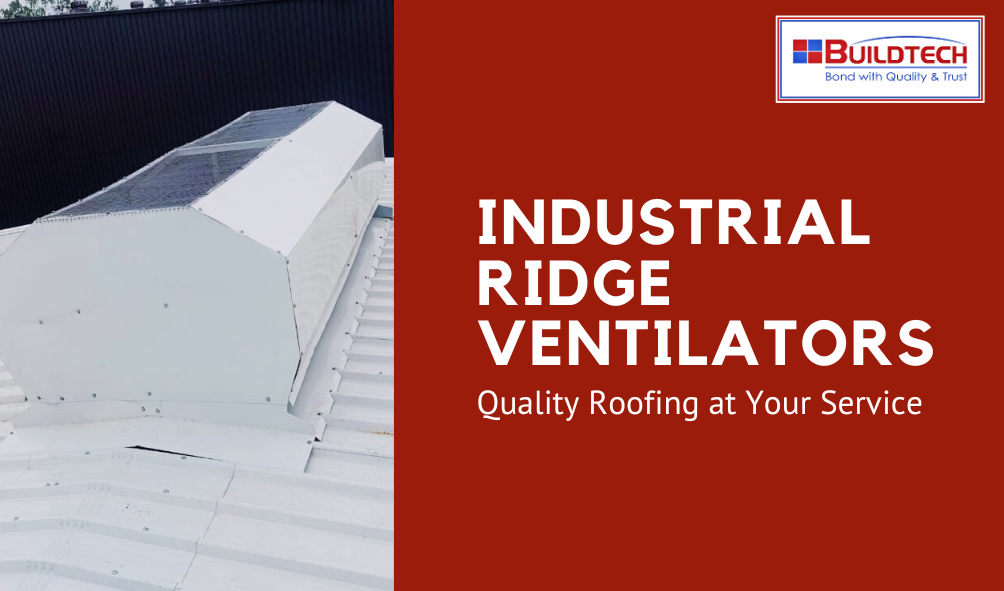
Understanding Ridge Ventilation Systems: A Comprehensive Guide
Ridge ventilation systems are essential components in the architecture of roofs, providing a natural method for air circulation and temperature regulation. This article aims to give business, industrial, and residential owners a thorough understanding of ridge ventilation systems, their components, benefits, and installation considerations.
What is a Ridge Ventilation System?
A ridge ventilation system is a passive ventilation solution that is installed at the peak of a roof. It allows hot air to escape from the attic or roof space, promoting a cooler environment within the building. This system works in conjunction with other ventilation components, such as soffit vents, to create a balanced airflow that helps maintain optimal indoor conditions.
Components of a Ridge Ventilation System
- Ridge Ventilator: The primary component is the ridge ventilator itself, which is a long, narrow strip that runs along the ridge of the roof. It typically features a mesh or filter to prevent debris and pests from entering while allowing air to flow freely.
- Roof Structure: The roof’s design plays a crucial role in the effectiveness of a ridge ventilation system. A sloped roof facilitates the rise of warm air, which can then escape through the ridge ventilator.
- Soffit Vents: These are located at the eaves of the roof and work in tandem with the ridge ventilator. By allowing cool air to enter from below, they create a continuous airflow that enhances the system’s efficiency.
Benefits of Ridge Ventilation Systems
Ridge ventilation systems offer several advantages for business, industrial, and residential owners:
1. Improved Indoor Air Quality
By allowing stale and humid air to escape, ridge ventilators help maintain a healthier indoor environment. This is particularly important in industrial settings where air quality can significantly impact worker health and productivity.
2. Energy Efficiency
A well-ventilated building requires less energy for heating and cooling. Ridge ventilation systems can reduce reliance on air conditioning, leading to lower energy bills and a reduced carbon footprint.
3. Prolonged Roof Lifespan
Excess heat and moisture can lead to roof damage over time. By facilitating proper ventilation, ridge ventilators help prevent issues such as mould growth, rot, and premature aging of roofing materials.
4. Enhanced Comfort
In residential settings, effective ventilation contributes to a more comfortable living environment by regulating temperature and humidity levels, especially during hot summer months.
Types of Ridge Ventilators
There are various types of ridge ventilators available on the market, each designed to cater to specific needs:
1. Static Ridge Ventilators
These are the most common type, relying solely on natural convection to expel hot air. They are ideal for residential roofs and low-traffic industrial buildings.
2. Powered Ridge Ventilators
These ventilators use electric fans to enhance airflow, making them suitable for larger industrial spaces where passive ventilation may not suffice.
3. Low-Profile Ridge Ventilators
Designed to blend seamlessly with the roofline, low-profile options are aesthetically pleasing and effective, making them a favorite for residential applications.